 Save to Pinterest
 I discovered this stunning grape cluster arrangement at a vineyard estate sale in Tuscany, where it graced the center of an outdoor wine tasting. The moment I saw guests gathered around it, plucking grapes and bread as they chatted, I knew I had to recreate this magic in my own kitchen. It's become my signature move for impressing friends without spending hours in front of the stove.
I remember serving this at my sister's engagement party last summer, and three people asked for the recipe before dessert was even served. What started as a simple centerpiece became the conversation starter that made the whole evening feel special. That's when I realized this wasn't just food—it was a moment maker.
Ingredients
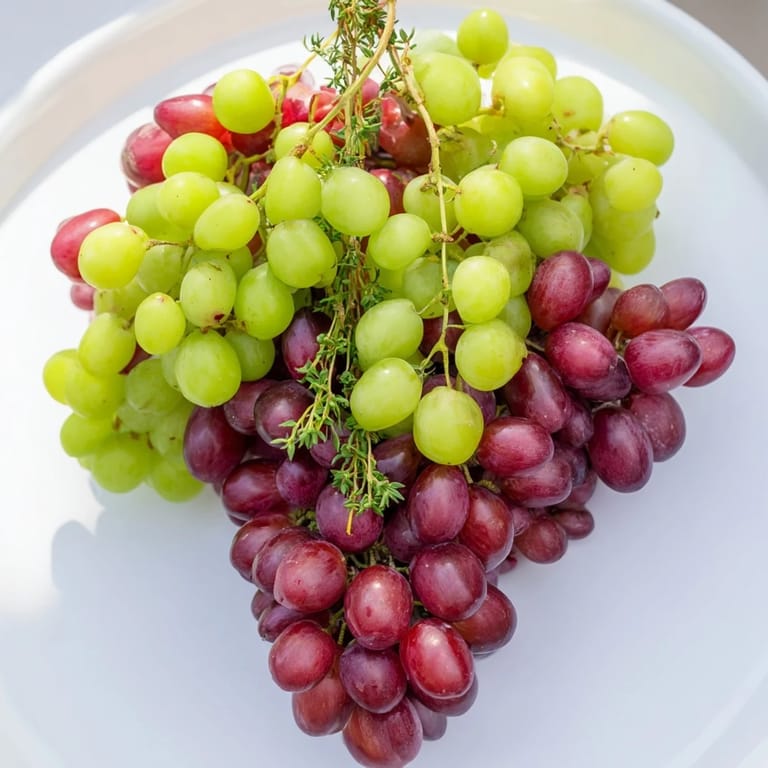
- Seedless green grapes, 600 g (1.3 lbs): These are your foundation color, providing a fresh, crisp contrast that draws the eye. I've learned that seedless varieties work best since guests are grabbing directly from the cluster, and nobody wants surprise seeds mid-conversation.
- Seedless red or black grapes, 600 g (1.3 lbs): The jewel tones here create visual depth and richness. Red grapes are slightly sweeter, which I've noticed keeps guests coming back for just one more.
- Rustic baguette or breadsticks, 1 baguette or 10–12 sticks: This becomes your stem, and the texture matters more than you'd think. A truly rustic, crusty baguette makes the whole arrangement feel more authentic, like you've plucked it straight from a European market.
- Thin salami sticks, 150 g (5 oz) (optional alternative to bread): If you want to skip the bread entirely, Italian-style thin salami creates an elegant stem with a savory element that pairs beautifully with wine. It's my secret weapon when I want to add a touch of sophistication.
- Fresh herbs—thyme, rosemary, or grape leaves (optional garnish): These aren't just decoration; they add an aromatic element that makes guests lean in and take a deep breath before reaching for a grape. Trust me, this small detail changes everything.
Tired of Takeout? 🥡
Get 10 meals you can make faster than delivery arrives. Seriously.
One email. No spam. Unsubscribe anytime.
Instructions
- Start with pristine grapes:
- Rinse your grapes gently under cool water and pat them completely dry with a soft kitchen towel. This step is crucial—wet grapes will slip around and won't hold their shape in the cluster. I learned this the hard way when my first attempt slid across the platter like an avalanche. Take your time here; dry grapes are the foundation of everything.
- Preserve natural clusters where you can:
- As you remove grapes from their original stems, try to keep small bunches of 3–5 grapes still connected. These micro-clusters add authentic texture and make the final arrangement look more like actual grapevines. It's the difference between "impressive appetizer" and "looks like it came straight from the vineyard."
- Build your teardrop from the bottom up:
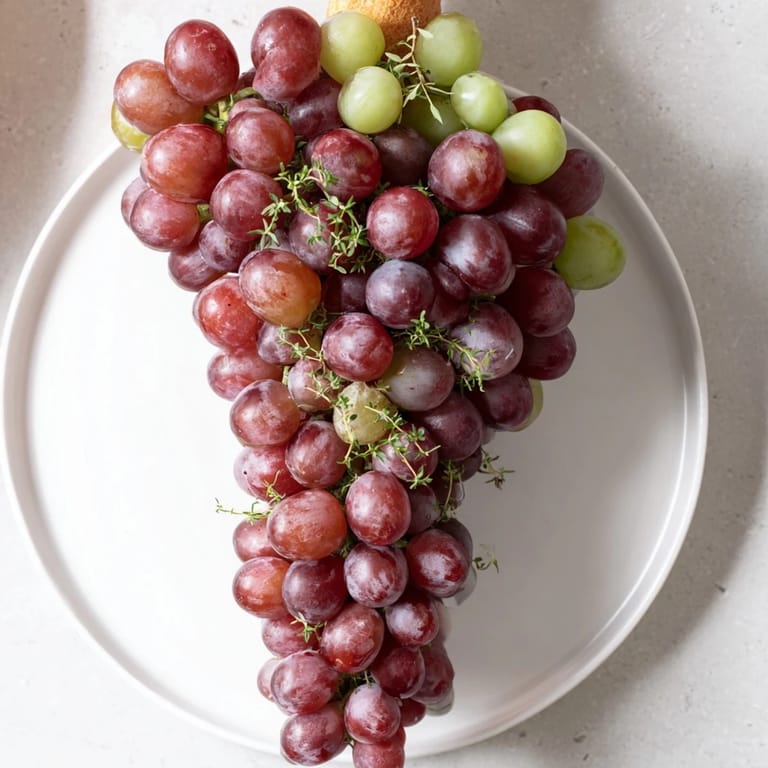
- On your platter or board, start placing grape clusters at the widest point—imagine you're creating an upside-down teardrop or a bunch hanging from an invisible vine. Work methodically, packing grapes tightly together so there are no gaps. The visual drama comes from density and that cascading effect.
- Shape as you go:
- Keep tapering the width as you move upward, creating that natural cluster silhouette. Step back occasionally and look at it from the guest's perspective. If it looks more like a blob than a bunch, redistribute a few grapes to create definition.
- Anchor your stem:
- At the narrow top of your grape cluster, position your baguette (whole or cut at a dramatic angle) or arrange salami sticks vertically so they look like they're actually holding the grapes up. This is where the magic happens—suddenly your pile of grapes transforms into an edible sculpture.
- Tuck in herbs for the finishing flourish:
- Slide fresh herb sprigs or grape leaves around the base of the stem and nestled into the grape cluster. These add color contrast, aroma, and authenticity. Guests will brush their hands past the rosemary on their way to grab a grape, and that sensory layer matters.
- Serve with ceremony:
- Present this immediately as your show-stopping centerpiece. The beauty is in the freshness and the visual impact. Grapes are at their best the moment they're arranged, so timing is everything.
 Save to Pinterest
 There's a moment I treasure from a small wine dinner I hosted where a guest told me that this grape cluster made her feel transported—like she was back in Piedmont where she spent a summer as a student. She took photos, shared them with her family, and a week later texted to tell me she'd recreated it for her own gathering. That's when I understood that beautiful food isn't about complexity; it's about creating an experience.
Making It Work for Every Diet
The genius of this recipe is its flexibility. Use a rustic bread stem for your vegetarian guests, and no one feels like they're missing out—the bread becomes just as much a part of the arrangement as the grapes. For gluten-free friends, swap in gluten-free breadsticks or go entirely with thin salami sticks, which honestly look more dramatic anyway. I've even done a hybrid version where I used both, giving guests choices without creating separate platters.
Wine Pairing and Serving Strategy
Serve this alongside a crisp white wine or sparkling rosé—something that echoes the freshness of the grapes themselves. The combination creates a moment of elegance that your guests will remember. I've found that positioning the grape cluster at eye level, slightly off-center on the table, makes it irresistible. Guests naturally gather around it, conversation flows, and the fact that it's edible becomes this delightful secondary surprise.
Variations and Creative Additions
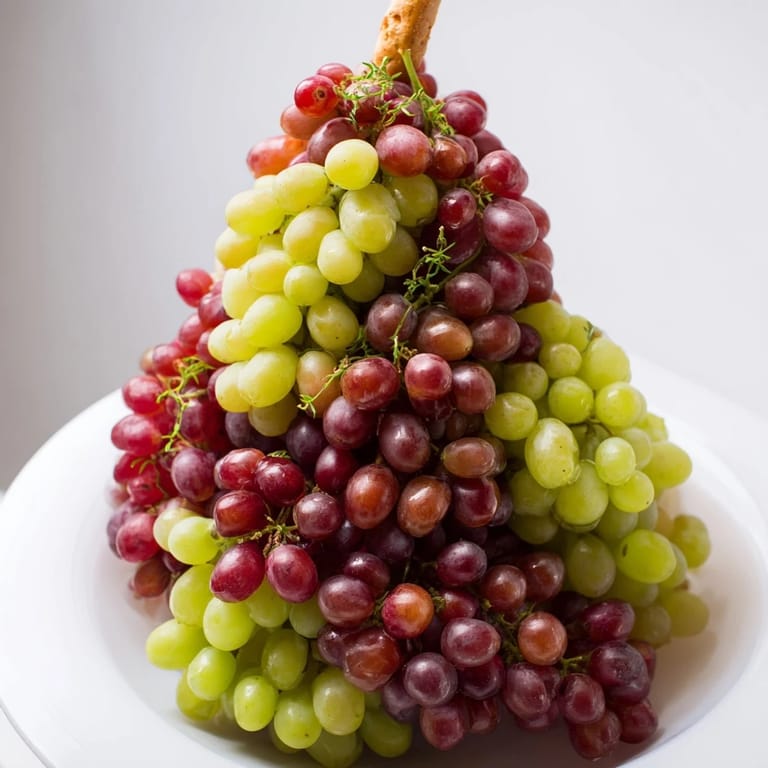
Once you've mastered the basic arrangement, play with it. Intersperse small cubes of creamy brie or sharp cheddar among the grapes for unexpected flavor pops. Add toasted nuts if your guests don't have allergies. Try alternating rows of red and green grapes in a more geometric pattern for a different visual mood. The framework is simple enough that you can make it entirely your own while maintaining that 20-minute magic.
- Experiment with different grape varieties—try white, red, and black together for maximum color drama
- Add edible flowers like nasturtiums between the herb sprigs for an extra touch of elegance
- If you're serving this at a sophisticated wine tasting, present it as the first item, before heavy appetizers, so the grapes taste crisp and the wine appreciation isn't muddled
 Save to Pinterest
 This recipe taught me that the most impressive dishes are often the simplest ones—it's not about hours of work, but about intention and presentation. Every time I make this, I'm reminded that feeding people is as much about creating beauty as it is about nourishment.
Recipe FAQs
- → How do I keep the grape clusters fresh and intact?
Wash grapes thoroughly and dry completely to prevent moisture buildup. Keep small clusters attached to maintain natural shape and arrange them snugly to support the structure.
- → What are good alternatives for the stem?
Use rustic baguette, breadsticks, or thin salami sticks to resemble the stem. Gluten-free breadsticks are a great option for dietary needs.
- → Can I add extra elements to the cluster?
Yes, small cubes of cheese or nuts can be interspersed among the grapes for added texture and flavor contrast.
- → How should I serve this platter?
Present on a large wooden or platter board. Garnish with fresh herbs or grape leaves for aroma and enhanced visual appeal. Serve immediately to enjoy optimal freshness.
- → What pairings enhance the cluster’s flavor?
Crisp white wines or sparkling rosé complement the fresh grape flavors and rustic elements beautifully.