 Save to Pinterest
 The first mezze platter I ever made was for a last-minute dinner with friends, my kitchen scattered with half-chopped vegetables and a food processor that wouldn't quit. I worried about arranging everything perfectly, but when we sat down, nobody cared how the platter looked—they just reached for the hummus, dragging warm pita through that creamy center, and the conversation never stopped. That's the magic of mezze, it's not about precision but about abundance and the joy of reaching across the table to share something good.
Last summer, my sister showed up with three different kinds of olives and a block of feta, claiming we needed a 'proper spread' for our impromptu sunset gathering on the balcony. We assembled everything on a weathered wooden board, the hummus glistening under the dying light, and somehow the simple act of arranging food made the evening feel like a celebration. Now I keep cans of chickpeas in the pantry just in case someone calls and says they're coming over.
Ingredients
- Chickpeas: The foundation of great hummus—cooked until perfectly tender so they blend into silk
- Tahini: Use a well-stirred, quality brand for that signature nutty richness that ties everything together
- Lemon juice: Fresh is non-negotiable here, it cuts through the creaminess and wakes up all the flavors
- Garlic clove: One small clove is enough—you want a whisper, not a shout
- Cumin: Earthy and warm, this is what makes hummus taste like hummus instead of just bean dip
- Olive oil: Save your best bottle for drizzling over the top at the end
- Cold water: The secret trick that transforms grainy hummus into something impossibly smooth
- Cherry tomatoes: Sweet bursts of juice that balance the savory elements
- Cucumber: Cool and crisp, perfect for scooping and refreshing between bites
- Bell pepper: Adds crunch and a pop of color against the beige hummus
- Carrot sticks: Sweet and sturdy, these hold up well when guests are dipping enthusiastically
- Mixed olives: A briny counterpoint to the creamy elements, pit them if you want to make things easier
- Feta cheese: Salty and tangy cubes that people will pick off the platter by the handful
- Pita bread: Warm it slightly so it's pillowy and inviting, cut into triangles for easy grabbing
- Parsley and sumac: Fresh herbs and a sprinkle of tart sumac make everything look and taste finished
Tired of Takeout? 🥡
Get 10 meals you can make faster than delivery arrives. Seriously.
One email. No spam. Unsubscribe anytime.
Instructions
- Blend the hummus base:
- Combine the chickpeas, tahini, lemon juice, olive oil, garlic, cumin, and salt in your food processor, letting it run until the mixture starts to come together.
- Achieve perfect texture:
- Add cold water one tablespoon at a time, blending after each addition, until the hummus turns impossibly smooth and airy.
- Taste and adjust:
- Dip in a carrot stick or pita piece and see what you think—more salt, more lemon, or maybe another drop of olive oil.
- Plate the centerpiece:
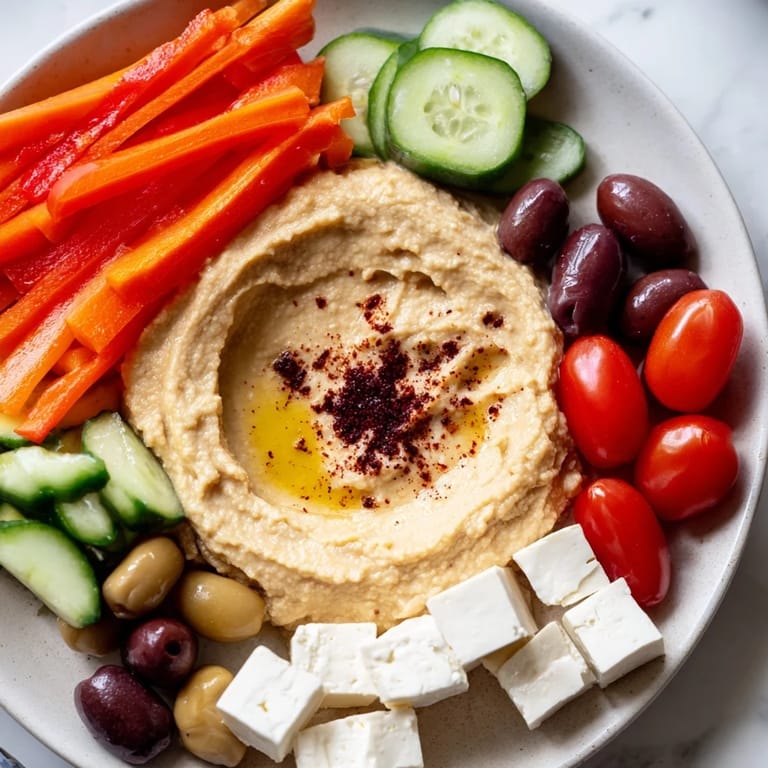
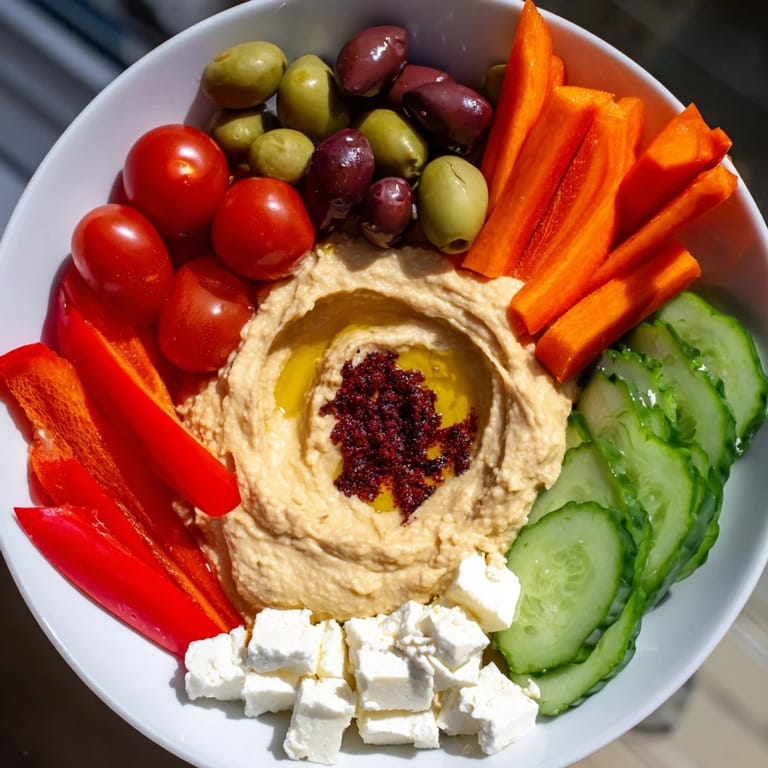
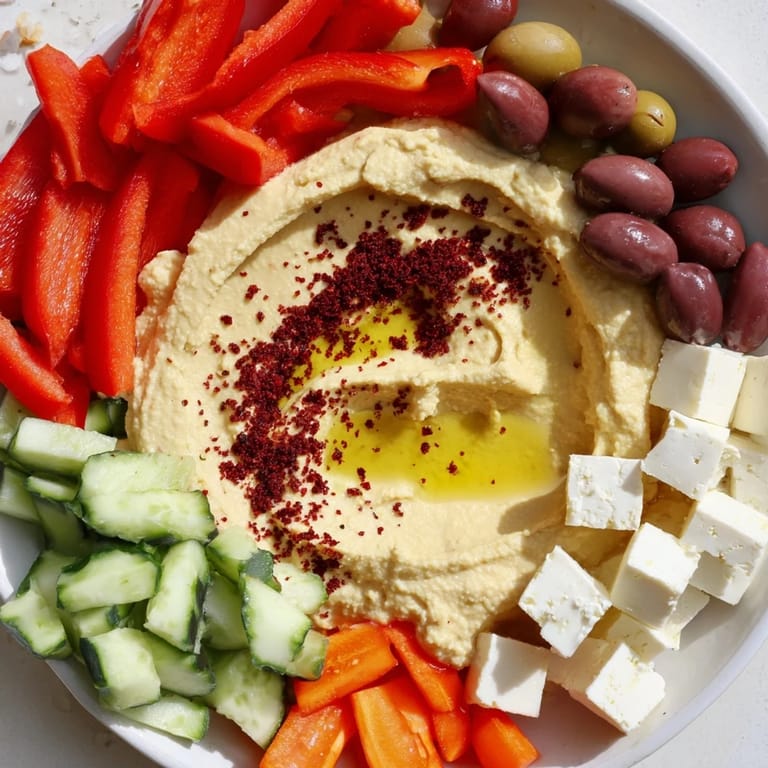
- Scoop the hummus onto a shallow plate or bowl, using the back of a spoon to create swirls that will catch the drizzle of olive oil.
- Scatter the vegetables:
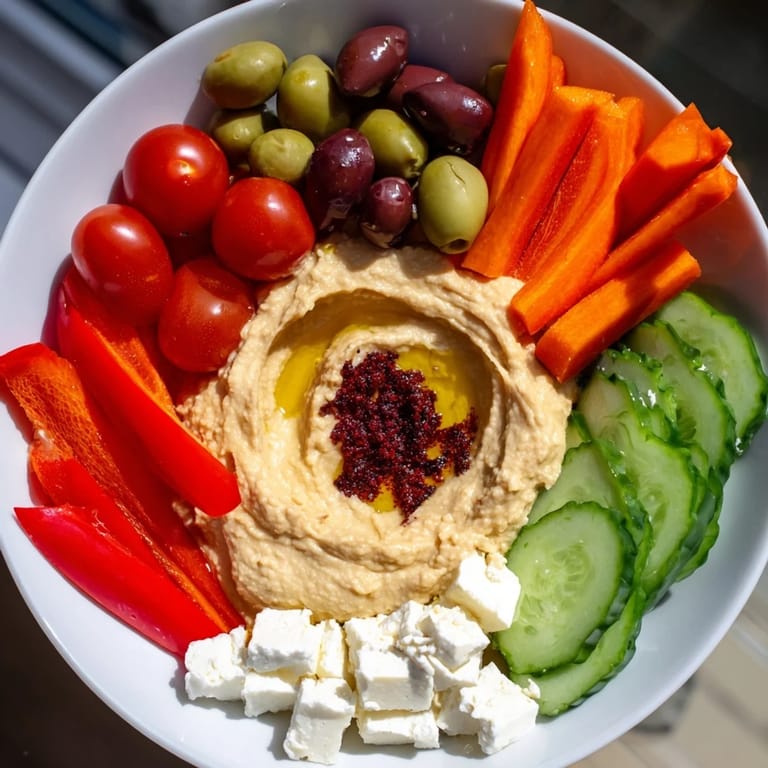
- Arrange tomatoes, cucumber, peppers, and carrots in casual mounds around the hummus, like you're painting with color.
- Add the savory elements:
- Tuck olives and feta into the empty spaces, letting some cheese crumble naturally where it falls.
- Warm the bread:
- Give the pita a quick toast in a dry pan or warm oven, then cut into triangles and tuck them into the platter.
- Finish with flair:
- Sprinkle parsley across everything, dust with sumac or paprika, and tuck lemon wedges into the corners for anyone who wants extra brightness.
 Save to Pinterest
  Save to Pinterest
 My friend's daughter, who normally refuses anything that touches other food on her plate, once ate her way through half this platter without complaint. Something about having options, about being able to choose and combine and discover, made the whole experience feel like an adventure rather than a meal. Now whenever we gather, someone inevitably asks if there will be 'that dip platter' again.
What Makes Great Hummus
I've learned that the difference between good hummus and great hummus comes down to patience—letting the food processor run longer than you think necessary, adding that water slowly, tasting as you go. The texture should be lighter than you expect, almost fluffy, and it should coat a spoon without collapsing. Some days I add roasted red peppers, others a swirl of pesto, but that basic creamy foundation never changes.
Building Your Platter
Think of your platter as a landscape with hills and valleys—mounds of vegetables, pools of hummus, crags of cheese. There's no wrong way to arrange it, but I like to group colors together and leave empty spaces where people can set down their pitas. The goal is abundance, the feeling that there's plenty for everyone and then some.
Beyond the Basics
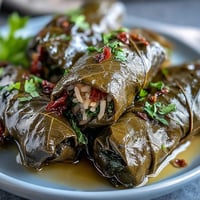
Once you're comfortable with this foundation, you might find yourself adding stuffed grape leaves from the deli, or whipping up a quick tabbouleh when herbs look especially fresh at the market. Some nights I'll roast eggplant for baba ganoush, or pick up dolmas from the Middle Eastern grocery downtown. The platter grows and changes with your confidence.
- Keep a can of chickpeas in your pantry for emergency hummus situations
- Experiment with different olives—castelvetrano are buttery and mild, Kalamata are bold and briny
- The platter works as well for a solo lunch as it does for a party of eight
 Save to Pinterest
  Save to Pinterest
 The best meals are the ones where everyone reaches and dips and passes things around, where no one quite knows what belongs to whom but everyone ends up satisfied. That's the mezze spirit, and I hope it finds its way to your table soon.
Recipe FAQs
- → How far in advance can I prepare a mezze platter?
The hummus can be made up to 3 days ahead and stored refrigerated. Vegetables can be sliced a few hours before serving—keep them crisp in cold water. Arrange everything on the platter no more than 2 hours before serving for optimal freshness and texture.
- → What other dips work well on a mezze platter?
Baba ganoush (roasted eggplant dip), tzatziki (yogurt cucumber dip), labneh (thick strained yogurt), or muhammara (walnut red pepper dip) all complement the spread beautifully. Consider offering 2-3 dips alongside hummus for variety.
- → Can I make this mezze platter gluten-free?
Absolutely. Substitute regular pita with gluten-free alternatives or serve with gluten-free crackers and vegetable crudités. All other components—hummus, vegetables, olives, and feta—are naturally gluten-free.
- → How do I store leftover mezze platter components?
Store hummus in an airtight container for up to a week. Keep vegetables in separate containers with damp paper towels to maintain crispness. Olives and feta should be refrigerated in sealed containers. Avoid reheating pita—serve fresh or toast briefly before serving.
- → What proteins can I add to make this more substantial?
Grilled chicken skewers, lamb kofta, or crispy falafel balls transform this into a hearty meal. Shrimp marinated in olive oil and lemon also pair wonderfully. These additions make the platter satisfying as a main course rather than just appetizers.
- → How many people does a standard mezze platter serve?
This platter serves 6 as an appetizer or light meal. For larger gatherings, simply double or triple the components. Plan about 1 cup total food per person for appetizer portions, or 2 cups per person if serving as a main course.