 Save to Pinterest
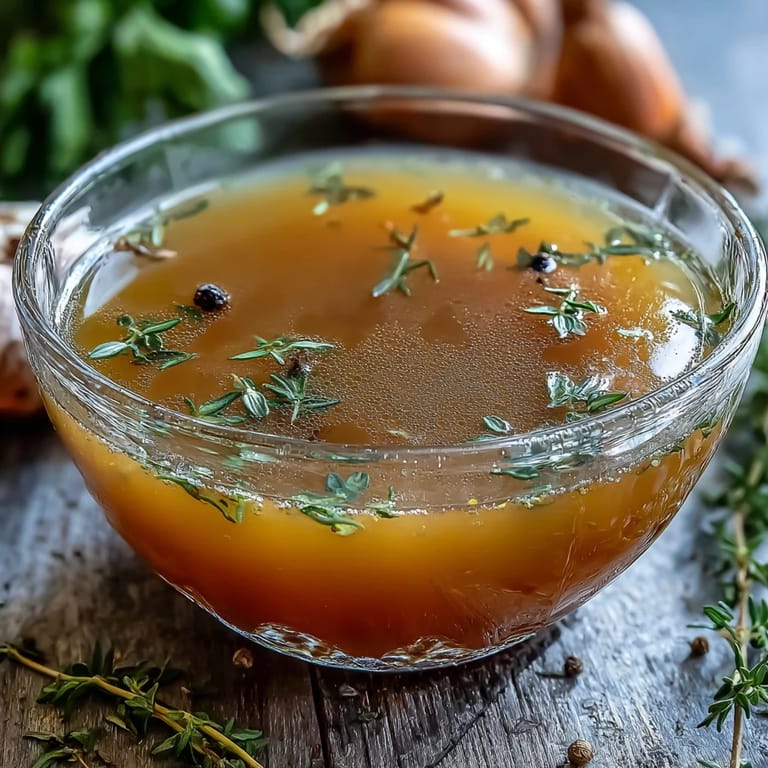
 Creating a homemade broth from vegetable scraps is more than just a kitchen hack; it is a nourishing, aromatic way to honor every part of your produce. By gathering leftover trimmings and classic aromatics, you can craft a rich, golden liquid that serves as the perfect foundation for soups, stews, or even a simple, warming cup of broth to sip on a cold day.
Save to Pinterest This easy process takes about an hour but rewards you with approximately two liters of high-quality soup base. It is a simple yet effective way to control what goes into your food, ensuring a result that is far superior to many commercial alternatives while reducing food waste in your household.
Ingredients
Tired of Takeout? 🥡
Get 10 meals you can make faster than delivery arrives. Seriously.
One email. No spam. Unsubscribe anytime.
- 4 cups assorted vegetable trimmings (carrot peels, onion skins, celery ends, leek tops, mushroom stems, parsley stems, garlic skins, etc.)
- 1 bay leaf
- 5–7 black peppercorns
- 2 cloves garlic (crushed, optional)
- 1 teaspoon salt (optional, adjust to taste)
- 1 sprig fresh thyme or 1/2 teaspoon dried thyme (optional)
- 8 cups (2 liters) cold water
Instructions
- Step 1
- Collect clean, fresh vegetable scraps in a large bowl. Avoid using potato peels, brassicas (like broccoli, cauliflower, cabbage), or overly starchy/sweet vegetables, as they may add bitterness or cloudiness.
- Step 2
- Place the vegetable scraps, bay leaf, peppercorns, garlic, salt, and thyme in a large stockpot.
- Step 3
- Add the cold water, ensuring all scraps are submerged.
- Step 4
- Bring to a boil over medium-high heat, then reduce to a gentle simmer.
- Step 5
- Simmer uncovered for 45–60 minutes, occasionally skimming off any foam.
- Step 6
- Taste and adjust seasoning if needed.
- Step 7
- Strain the broth through a fine-mesh sieve or cheesecloth into a clean container. Discard the solids.
- Step 8
- Let the broth cool, then store in airtight containers. Refrigerate for up to 5 days or freeze for up to 3 months.
Zusatztipps für die Zubereitung
For a richer flavor and deeper color, roast your vegetable scraps in the oven at 200°C (400°F) for 20 minutes before adding them to the stockpot. This caramelizes the natural sugars in the vegetables and provides a more robust taste profile.
Varianten und Anpassungen
To boost the umami depth of your broth, consider adding a small piece of kombu or a few dried mushrooms to the pot. You can also vary the herbs based on your preference, though it is recommended to keep salt levels low if the broth will be used in other recipes later.
Serviervorschläge
This broth is a stellar base for homemade soups, risottos, and cooking various grains. It can also be enjoyed on its own as a nourishing, warm beverage. Use it whenever a recipe calls for vegetable stock to add a unique, home-cooked touch.
 Save to Pinterest
 With your homemade vegetable broth ready, you have a versatile and healthy ingredient waiting in the fridge or freezer. Whether you are deglazing a pan or building a hearty stew, this scrap-based broth brings a depth of flavor that only homemade care can provide.
Recipe FAQs
- → What vegetables work best for homemade broth?
Carrot peels, onion skins, celery ends, leek tops, mushroom stems, parsley stems, and garlic skins create a balanced flavor profile. Avoid potato peels and brassicas like broccoli or cauliflower, as they can make the broth cloudy or bitter.
- → How long does the broth need to simmer?
Simmer the vegetable scraps for 45-60 minutes. This allows enough time for the flavors to fully infuse without becoming overly concentrated or bitter.
- → Can I freeze this broth for later use?
Absolutely. Once cooled, store in airtight containers and freeze for up to 3 months. Leave some space at the top of containers as liquids expand when frozen.
- → What can I use this broth for?
This versatile base works wonderfully in soups, stews, risottos, and grain dishes. It can also be enjoyed warm as a nourishing drink on its own, seasoned to taste.
- → How can I deepen the flavor?
Roast the vegetable scraps at 200°C (400°F) for 20 minutes before simmering to develop caramelized notes. Adding kombu or dried mushrooms also enhances umami richness.