 Save to Pinterest
 I'll never forget the moment I decided to transform a simple appetizer spread into something that would make guests stop and stare. It was during the opening ceremony of a major sporting event, watching those five interlocking rings light up the stadium, when I thought: what if I could capture that same spirit of unity and celebration on a platter? That night, surrounded by friends in my kitchen, The Olympic Rings Interlock was born—a visually stunning appetizer that celebrates diversity through color and flavor.
I remember serving this for the first time at a diverse gathering of friends—everyone brought a different cultural background and favorite flavors. Watching them discover how each ring represented something different, tasting their way around like they were on an edible journey, reminded me why I love cooking for others. The platter became more than food; it became a symbol of how different ingredients, like different people, create something beautiful when arranged with intention.
Ingredients
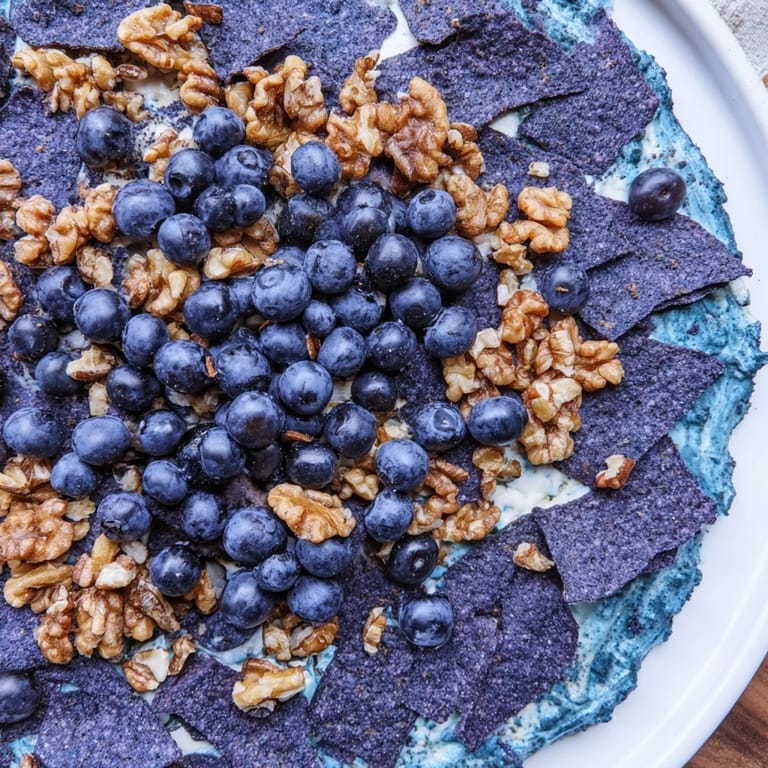
- Blueberries: The foundation of your blue ring—fresh, plump ones hold their color better and provide natural sweetness that balances the tangy blue cheese
- Blue corn tortilla chips: These broken pieces add textural contrast and anchor the ring with earthy corn flavor; they're also naturally gluten-free if that matters to your guests
- Blue cheese, crumbled: This is your umami backbone, the reason the blue ring feels substantial and grown-up; use a good quality cheese you'd actually want to eat on its own
- Toasted walnuts: The toasting step matters more than you'd think—it brings out their richness and keeps them from tasting raw and bitter
- Yellow cherry tomatoes, halved: Look for ones that are almost glowing yellow; they're sweeter than their red cousins and make the ring pop visually
- Yellow bell pepper, diced: Sweet and crisp, it adds a fresh vegetable element that prevents the yellow ring from feeling too snack-focused
- Pineapple chunks: Fresh is always better than canned here; the brightness cuts through any heaviness and adds unexpected tropical joy
- Toasted cashews: Buttery and mild, they complement the tropical elements without competing for attention
- Black olives, sliced: Choose quality ones if you can; they should taste briny and alive, not like something from the back of a pantry
- Black grapes, halved: They provide juicy sweetness to balance the umami of olives and hummus
- Black bean hummus: This is your creamy, protein-rich spread element; homemade is wonderful, but store-bought is perfectly fine when you're focusing your energy on the presentation
- Pumpernickel bread rounds: Cut them small enough to pick up easily but substantial enough to hold the hummus without breaking
- Cucumber slices: The most refreshing element on your platter; they should be cool and crisp, so don't slice them until the last moment
- Green grapes, halved: They bring concentrated sweetness and jewel-like appearance to the green ring
- Edamame, shelled and steamed: Cook them until just tender, then chill them; they add protein and that satisfying nutty flavor that makes the green ring complete
- Fresh basil leaves: These should smell like summer; they're not just garnish, they're flavor, so don't skimp on quality or quantity
- Cherry tomatoes, halved: The classic red, sun-ripened kind; taste one before committing to a whole container
- Red bell pepper, diced: Sweet and crunchy, it mirrors the yellow pepper but in a different ring, creating visual balance
- Strawberries, halved: Fresh, ripe ones are essential; they should smell fragrant and taste naturally sweet
- Roasted red pepper hummus: This brings sweetness and smokiness to the red ring; the roasted depth makes it feel intentional
Tired of Takeout? 🥡
Get 10 meals you can make faster than delivery arrives. Seriously.
One email. No spam. Unsubscribe anytime.
Instructions
- Plan your rings on paper first:
- Before you touch a single ingredient, take a moment to sketch out where each ring will go on your platter. Think of them interlocking like the Olympic symbol—this isn't about perfection, it's about the spirit of connection. I use a pencil and parchment paper underneath to guide my arrangement; you can remove it once you start placing food.
- Prep all ingredients in advance:
- Slice, dice, and arrange everything in small bowls before you begin assembling. This is the secret to making the actual platter assembly feel effortless and meditative rather than frantic. You're essentially doing a mise en place for appetizers, and it changes everything.
- Start with blue and build your foundation:
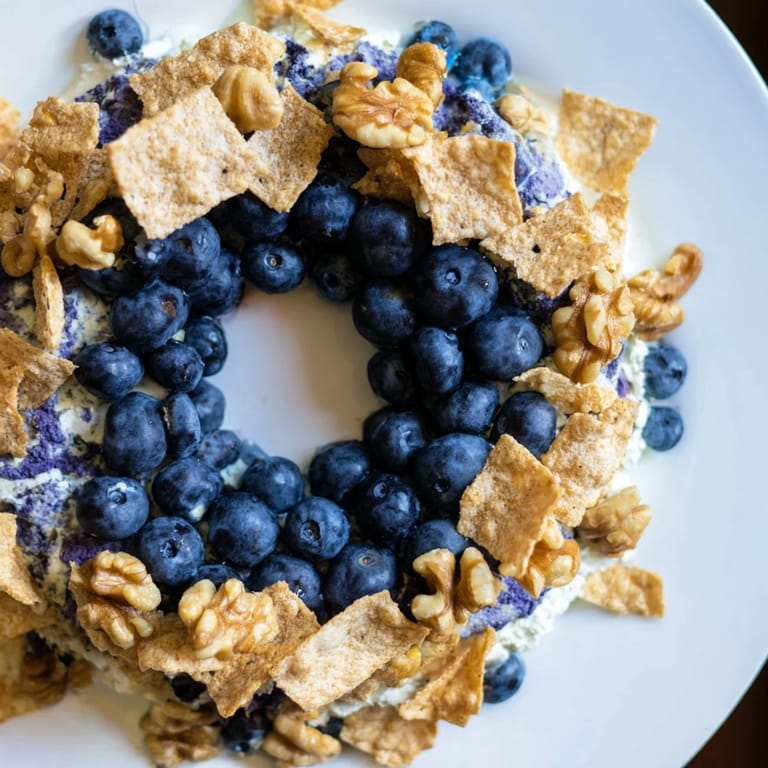
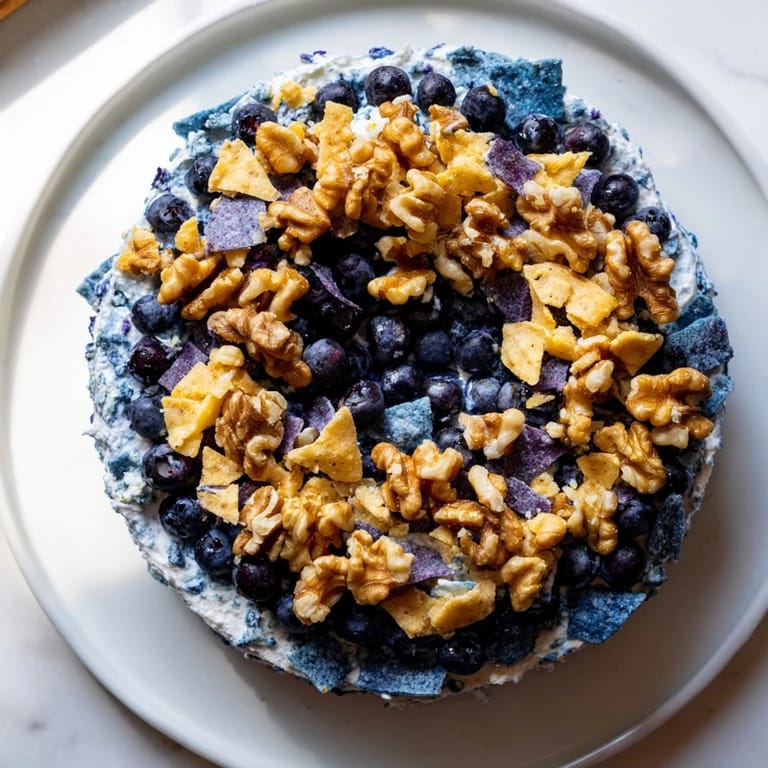
- Begin placing your blue ring first—blueberries, chips, blue cheese, and walnuts arranged in a circular pattern. Let them flow into each other naturally; this isn't about rigid perfection but about creating visual flow. The blue ring sets the tone and confidence level for everything that follows.
- Overlap intentionally for the Olympic spirit:
- As you add each subsequent ring (yellow, then black, green, and finally red), make sure they overlap with their neighbors just enough to create that interlocking symbol. This overlap is both visual magic and practical—it ties the platter together as one cohesive creation rather than five separate elements.
- Layer for depth and visual interest:
- Within each ring, don't arrange ingredients in a flat line. Create little peaks and valleys by varying heights—a cluster of nuts here, a drape of herbs there. This three-dimensional approach makes the platter feel alive and inviting, like there are pockets of flavor discovery around every corner.
- Chill for composure if needed:
- If you've finished more than 30 minutes before guests arrive, cover the platter loosely with plastic wrap and refrigerate. The cold actually brightens the colors and keeps ingredients crisp. Just pull it out about 10 minutes before serving so flavors aren't muted by cold.
 Save to Pinterest
 I realized something watching people gather around this platter—they weren't just eating; they were experiencing something. Some picked around their favorite color, others tried to taste all five rings in sequence. One friend said it felt like traveling the world on a plate. That's when I knew this appetizer had become something beyond sustenance. It had become an invitation to slow down and appreciate both unity and diversity on the same table.
Building Your Color Strategy
The beauty of this platter lives in its color contrast. Each ring should feel distinctive and vivid, not blended or muddy. When you're selecting ingredients, hold them up next to each other—does the yellow really pop against the platter? Are the black elements truly deep and rich? I learned this lesson the hard way after serving a version where I underestimated how much white space on my platter would wash out the colors. Now I always use a dark board or platter as my canvas, and it's the difference between a nice appetizer and one that makes people stop and stare.
Ingredient Substitutions That Actually Work
The genius of this recipe is its flexibility—you're not locked into specific choices if you have allergies or preferences in your circle. The only real rule is honoring the color integrity of each ring. Blueberries can be swapped for blackberries in the blue ring if needed, though the color shifts slightly. Blue tortilla chips could become blue potato chips. The point is maintaining that color story. For nuts, seeds work beautifully (sunflower, pumpkin, sesame), and for the dairy, any quality vegan cheese or plant-based alternative respects the vision. I've even experimented with naturally colored foods—using black sesame seeds and activated charcoal crackers for the black ring, turmeric-roasted chickpeas for the yellow. The frame matters more than the exact ingredients within it.
- Swap nuts for any seeds you prefer—sunflower, pumpkin, or sesame seeds provide similar texture and nutrition
- Use dairy-free cheese alternatives for a fully vegan version without sacrificing the visual impact
- Fresh herbs can be added to any ring for an unexpected freshness boost—mint for green, basil for red, dill for blue
The Art of Making It Ahead
One of my favorite discoveries with this recipe is that it actually improves with a little advance thinking. Not advance prep necessarily, but advance planning. I take photos of my color combinations the morning of the party, which helps me visualize the final platter and build confidence. I prep ingredients hours ahead and keep them in their own bowls in the fridge—hummus in one, walnuts in another, grapes in another. Then, when I have 30 minutes before guests arrive, assembly becomes almost meditative rather than stressful. There's something deeply satisfying about this kind of hands-on final presentation, especially when you know everything is ready and waiting.
Pairing and Serving Wisdom
This platter is meant to be the star of the show, but it performs best with a supporting cast. A light white wine like Sauvignon Blanc cuts through the richness beautifully and cleanses the palate between bites of different rings. I also love serving it with a simple herbed bread or gluten-free crackers on the side—not because the platter needs them, but because some guests feel more comfortable having something to lean on while mingling. The platter itself should be placed at eye level or slightly elevated so people aren't hunching over to see the beautiful work you've done. I've learned that the presentation of the presentation matters just as much as the food itself.
- Serve at room temperature or slightly chilled; cold mutes the flavors of fresh fruits and vegetables
- Place the platter in a central, well-lit location where it can be admired and easily accessed without creating a traffic jam
- Have small plates and napkins nearby—this isn't finger food exactly, and your guests will appreciate the thoughtfulness
 Save to Pinterest
 This platter taught me that food is about connection—bringing people together around something beautiful and shared. Every time I make it, I'm reminded of that opening ceremony, those five rings representing the world coming together, and how something as simple as an appetizer can carry that same spirit into someone's home.
Recipe FAQs
- → How do I assemble the rings on the platter?
Lightly sketch five interlocking circles on parchment paper as a guide. Arrange each ring’s ingredients within those circles, overlapping slightly to mimic the Olympic symbol.
- → Can I customize the ingredients in each ring?
Yes, you can substitute nuts with seeds for allergies or swap cheeses and dips for vegan options while maintaining the color themes.
- → How should I serve this platter to guests?
Serve immediately for best freshness or cover and refrigerate for up to 2 hours before serving with gluten-free crackers or bread.
- → What dietary options does this platter support?
This platter can be gluten-free if using suitable chips and crackers, and vegan if plant-based cheese and hummus are chosen.
- → What tools do I need to prepare the platter?
A large serving platter, a sharp knife, cutting board, and small bowls for spreads are needed for easy assembly and neat presentation.