 Save to Pinterest
 I discovered this recipe on a Tuesday night when I had nothing in the fridge but shrimp, honey, and soy sauce. My partner was hungry, the kitchen felt chaotic, and I had maybe fifteen minutes. That first pan sizzle—the sound of shrimp hitting hot oil—changed my whole approach to weeknight cooking. This became my go-to when I needed something that looked impressive but felt effortless, sweet but balanced, ready before anyone's patience ran out.
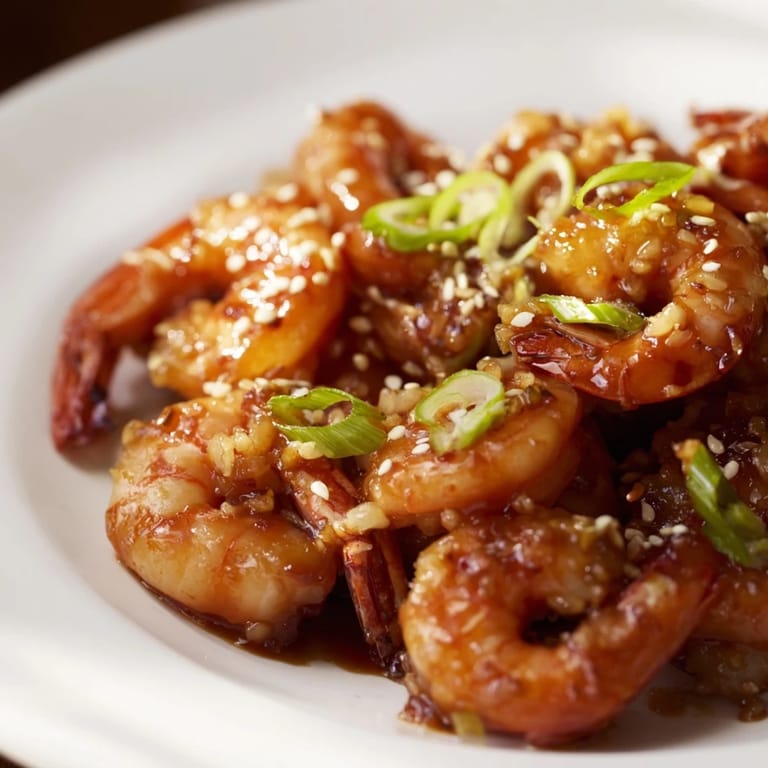
I made this for my mom on her birthday, plated it with fresh green onions scattered on top, and she asked for the recipe before she finished eating. That moment—when someone you love asks how you made something—is when you know a dish belongs in your regular rotation. It's become the recipe I make when I want to show care without stress.
Ingredients
- Large shrimp (1 lb): Size matters here—large shrimp stay tender and cook evenly, while smaller ones can turn rubbery in seconds. Tails on or off depends on your mood, but I keep them on for the visual.
- Honey (1/3 cup): This is your gloss and sweetness; raw honey adds deeper flavor than processed, but use what you have.
- Low-sodium soy sauce (1/4 cup): Low-sodium gives you control—you can always add salt, but you can't take it back.
- Garlic (4 cloves, minced): Fresh garlic is non-negotiable; the ginger and garlic are what make this feel alive rather than cloying.
- Fresh ginger (1 tbsp, grated): Peeling ginger with a spoon is faster than a knife and leaves less waste—I learned this the hard way.
- Rice vinegar (1 tbsp, optional): This small amount cuts through the sweetness and keeps the sauce from feeling one-dimensional.
- Crushed red pepper flakes (1/2 tsp, optional): Heat is personal; I add this because I want the sauce to whisper danger.
- Vegetable or sesame oil (1 tbsp): Sesame oil gives deeper flavor but burns easily, so medium-high heat is your friend.
- Green onions and sesame seeds: These finish the dish, adding texture and brightness that transforms it from simple to considered.
Tired of Takeout? 🥡
Get 10 meals you can make faster than delivery arrives. Seriously.
One email. No spam. Unsubscribe anytime.
Instructions
- Mix your sauce first:
- In a bowl, whisk together the honey, soy sauce, minced garlic, grated ginger, rice vinegar, and red pepper flakes. The honey might feel thick and stubborn—this is fine, it loosens as it warms.
- Dry your shrimp completely:
- Pat them with paper towels until they feel almost dusty. Wet shrimp steam instead of sear, and you'll miss that golden edge that makes them taste restaurant-quality.
- Heat your skillet until it's almost smoking:
- Medium-high heat is your target; the oil should shimmer and move easily. Wait the full minute—rushing this moment changes everything about texture.
- Sear the shrimp without crowding:
- Lay them in a single layer and leave them alone for 1 to 2 minutes per side. They'll turn from gray to pink; that's your signal to flip or remove. If your pan is small, work in batches—overcrowded shrimp steam and toughen.
- Pour the sauce and finish:
- Add the sauce to the hot pan and watch it bubble immediately. Stir gently for 2 to 3 minutes while the sauce thickens slightly and clings to the shrimp like a glaze. The kitchen will smell like a restaurant.
- Plate and garnish:
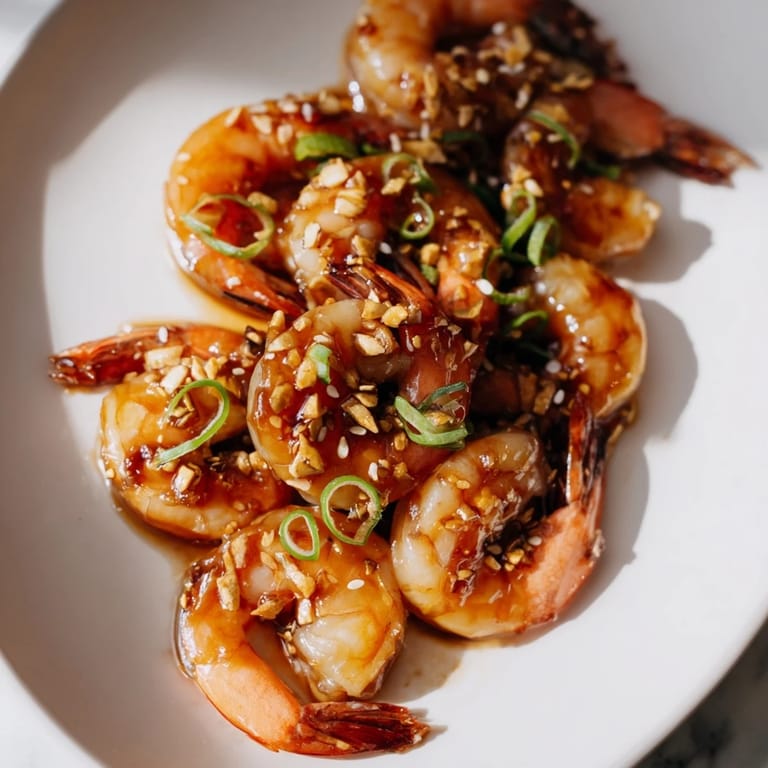
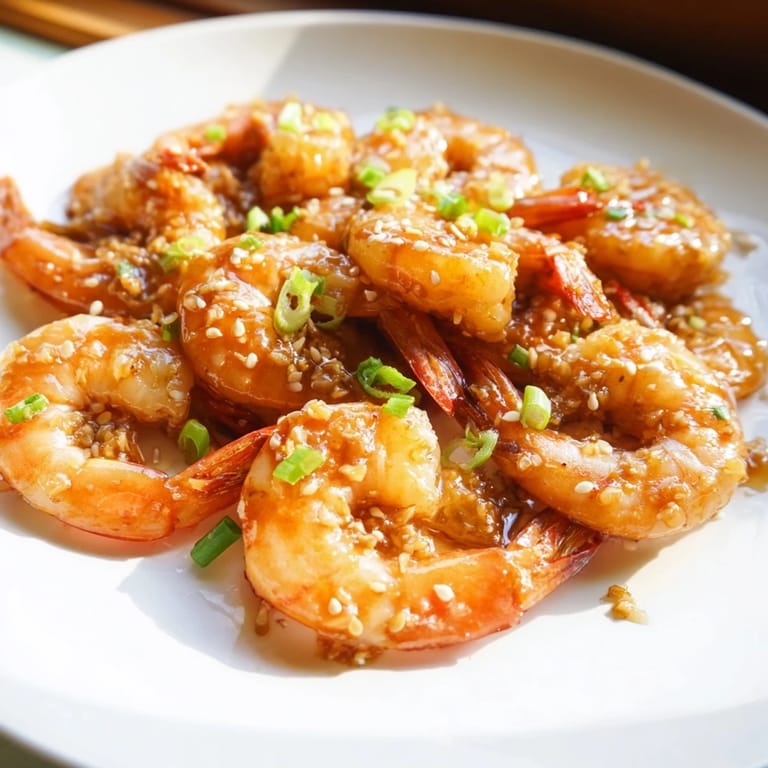
- Move everything to your serving dish while it's still warm. Scatter green onions and sesame seeds on top, which adds crunch and makes the whole thing look like you planned it.
 Save to Pinterest
 I once made this at a dinner party where someone brought a new partner, and by the end of the evening they were asking for seconds and asking how I did it. Food that brings people closer is food worth learning, and this dish does that without fuss or pretense.
Why Shrimp Cooks So Fast
Shrimp has less muscle density than chicken or beef, so it needs just a few minutes to go from raw to tender. This is actually a gift when you're cooking on a weeknight—the speed means you can't overthink it, and that confidence translates into better results. The key is trusting the timing and not standing there second-guessing yourself.
The Sweet and Savory Balance
The honey and soy sauce combination feels simple until you taste how they transform each other. The salty soy keeps the honey from tasting dessert-like, while the honey softens the salty edge of the soy into something rounded and complex. Adding that rice vinegar was the discovery that made me stop ordering this from restaurants—that brightness is what makes you want another bite.
Serving and Pairing Ideas
This dish loves steamed jasmine rice, which soaks up the sauce like a sponge, but egg noodles work equally well if that's what you have. I've also served it over cauliflower rice for friends watching their carbs, and over actual noodles when I wanted something more indulgent. The sauce is generous enough to make any base shine, which is part of why this feels so flexible.
- Pair it with a crisp white wine like Sauvignon Blanc or a light lager beer if you're drinking.
- Add sautéed snap peas or bell peppers to the pan in the last minute if you want vegetables without extra work.
- Make extra sauce if you love leftovers—it keeps in the fridge and tastes even better the next day.
 Save to Pinterest
 This recipe taught me that the best weeknight meals aren't the complicated ones—they're the ones that make you feel capable and proud. I hope it does the same for you.
Recipe FAQs
- → What type of shrimp is best to use?
Large peeled and deveined shrimp work best for even cooking and absorbing the glaze.
- → Can I adjust the spice level?
Yes, adding or omitting crushed red pepper flakes allows you to control the heat in the glaze.
- → What can be served alongside this dish?
Steamed rice or cooked noodles complement the glazed shrimp and soak up extra sauce.
- → Is there an alternative to soy sauce?
Low-sodium tamari or coconut aminos can be used for gluten-free or different flavor profiles.
- → How long should I cook the shrimp?
Sauté shrimp 1–2 minutes per side until pink and opaque before adding the sauce.
- → Can other proteins replace shrimp?
Yes, chicken or tofu can be substituted for variety while keeping the same flavorful glaze.