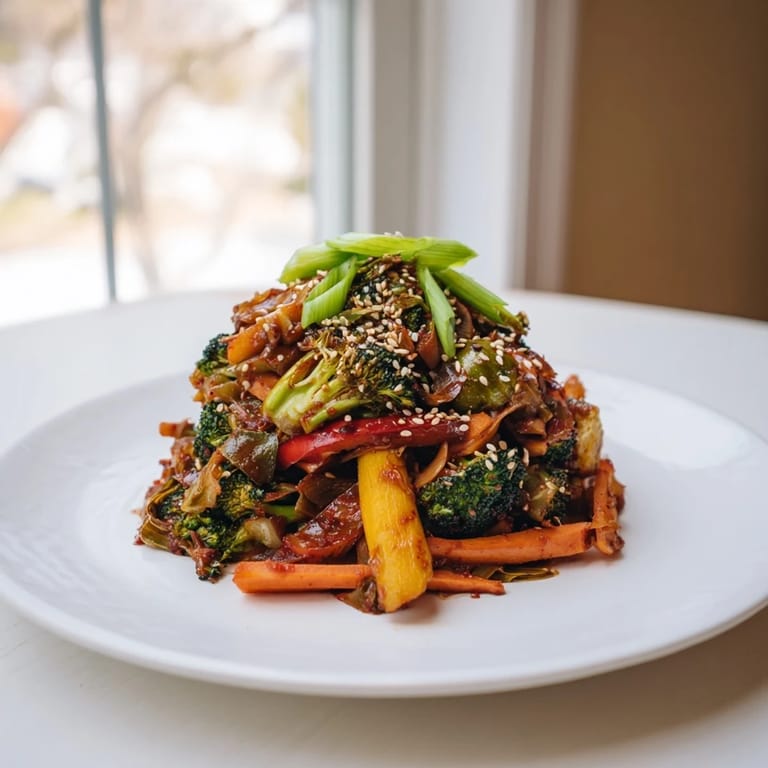
 Save to Pinterest
 Last February, when my apartment heater decided to take an unexpected vacation, I found myself standing over my stove more for warmth than actual cooking. That is when I threw together this stir-fry for the first time, mostly because I needed something hot and fast. The kimchi was sitting in my fridge, looking lonely, and I figured why not. Now it is the dish I make whenever someone says they are feeling under the weather or just plain tired.
My sister was visiting during that particularly brutal cold snap, and she watched me dump all these random winter vegetables into my wok with total skepticism. She is not usually one for fermented anything, but she took a bite and literally went back for thirds. Now she texts me every time she makes it, usually with some variation about how she cannot believe she actually likes kimchi.
Ingredients
- 1 small head broccoli, cut into florets: Broccoli holds up beautifully to high heat and keeps that satisfying crunch in every bite
- 2 medium carrots, sliced on the bias: Cutting them at an angle gives you more surface area for caramelization and looks nicer too
- 1 small parsnip, peeled and sliced: Parsnips bring this natural sweetness that balances the kimchis tang perfectly
- 1 small sweet potato, peeled and cut into thin matchsticks: Keep these thin so they cook through quickly without turning mushy
- 1 cup shredded green cabbage: This wilts down beautifully and adds a fresh contrast to the denser root vegetables
- 1 red bell pepper, sliced: The red pepper brings a pop of color and a subtle sweetness that rounds everything out
- 1 tablespoon fresh ginger, grated: Fresh ginger is nonnegotiable here, the warmth it brings is essential
- 2 cloves garlic, minced: Mince this right before cooking so it stays punchy and aromatic
- 2 tablespoons toasted sesame oil: Toasted sesame oil has such a deeper, more complex flavor than regular sesame oil
- 2 tablespoons soy sauce or tamari: This is your salty base, use tamari if you need it gluten free
- 1 tablespoon rice vinegar: Just enough acidity to brighten all those cooked vegetables without being sour
- 1 teaspoon maple syrup or honey: A tiny bit of sweetness helps mellow out the fermented tang
- 1 cup kimchi, chopped: The star of the show, chop it into bite sized pieces so it distributes evenly
- 2 green onions, sliced: Fresh onion on top brings a crisp bite that cooked onions just cannot provide
- 1 tablespoon toasted sesame seeds: These add a nutty crunch and make everything look prettier
Tired of Takeout? 🥡
Get 10 meals you can make faster than delivery arrives. Seriously.
One email. No spam. Unsubscribe anytime.
Instructions
- Get everything ready before you turn on the stove:
- Stir fries move fast, so have all your vegetables prepped and your sauce mixed before you start cooking.
- Heat your wok until it is shimmering:
- Warm the sesame oil over medium high heat until it is rippling slightly, that is when you know it is ready.
- Wake up the aromatics:
- Toss in the ginger and garlic, stirring constantly for about 30 seconds until you can really smell them.
- Start with the hard vegetables:
- Add the carrots, parsnip, sweet potato, and broccoli first, stir frying for 4 to 5 minutes until they start softening.
- Add the quicker cooking vegetables:
- Throw in the cabbage and bell pepper, keep everything moving for another 3 to 4 minutes until crisp tender.
- Make it saucy:
- Whisk together your soy sauce, rice vinegar, and maple syrup, then pour it over the vegetables and toss to coat everything.
- Turn off the heat and fold in the kimchi:
- Remove the pan from the heat completely before adding the kimchi so you keep all those beneficial probiotics alive.
- Finish it off:
- Serve it hot right away, topped with those green onions and sesame seeds if you are feeling fancy.
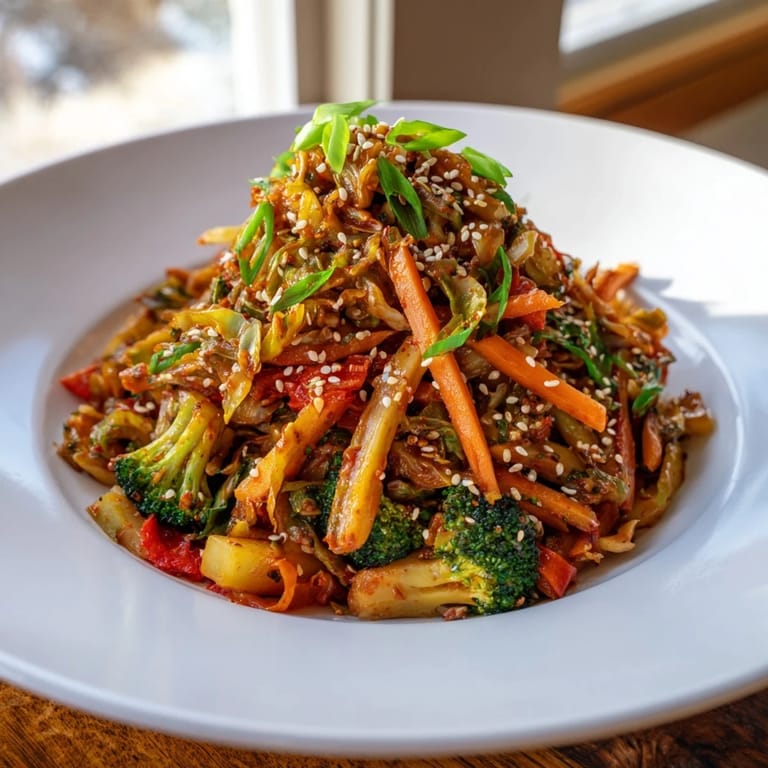 Save to Pinterest
 This recipe became my go to during that endless winter when everyone seemed to be getting sick. There is something about all those warming vegetables and the tangy kimchi that just feels restorative. My roommate started requesting it weekly, and honestly, I did not mind one bit.
Making It Your Own
I have swapped in turnips and rutabaga when the parsnips looked sad at the grocery store, and honestly, no one noticed. Kale works beautifully too, just add it in the last minute so it does not get too sad and wilted. The real trick is keeping the harder vegetables thin enough that they cook through before the softer ones turn to mush.
Serving Suggestions
While this is perfectly satisfying on its own, I love serving it over steamed brown rice or quinoa when I want something more substantial. Soba noodles work incredibly well too, they pick up all that sauce beautifully. Sometimes I will fry an egg to go on top because runny yolks and stir fry vegetables are just meant to be together.
Storage Tips
This keeps surprisingly well in the fridge for up to four days, though the vegetables will soften a bit as they sit. I actually do not mind that because the flavors have more time to meld together. Just reheat gently in a pan rather than the microwave so you do not lose all that texture you worked for.
- A squeeze of fresh lime right before serving brightens everything up beautifully
- If your kimchi is especially sour, taste the sauce before adding the maple syrup
- Leftovers make an excellent lunch, just pack some extra kimchi on the side
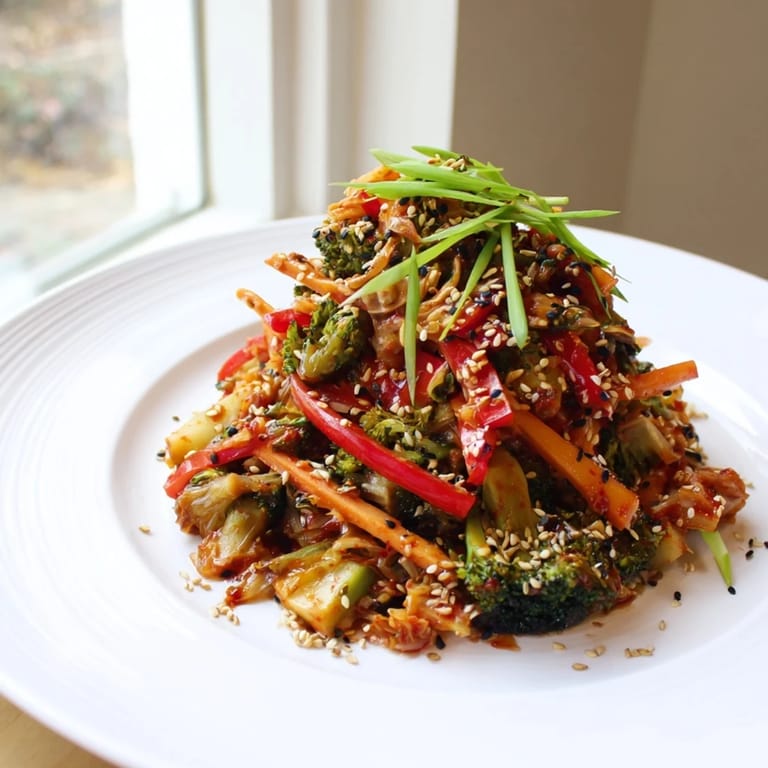 Save to Pinterest
 There is something so satisfying about a dish that comes together this quickly but still feels like a real meal. I hope this becomes your winter comfort too.
Recipe FAQs
- → Can I make this gluten-free?
Yes, simply substitute tamari for the soy sauce. Always check your kimchi label, as some varieties contain wheat-based ingredients or fish sauce.
- → Why add kimchi at the end?
Adding kimchi off the heat preserves its beneficial probiotics and live cultures, which can be destroyed by high-temperature cooking.
- → What other winter vegetables work well?
Turnips, rutabaga, kale, Brussels sprouts, or butternut squash all make excellent additions. Adjust cooking times based on vegetable density.
- → Is this dish spicy?
Kimchi varies in heat level. Start with a smaller amount and adjust to taste. The maple syrup helps balance any heat with subtle sweetness.
- → Can I add protein?
Yes, tofu, tempeh, edamame, or cashews make great protein additions. Add them during step 4 to heat through and absorb flavors.
- → How long do leftovers keep?
Store in an airtight container for up to 3 days. Reheat gently to preserve texture, though the kimchi will become softer over time.