 Save to Pinterest
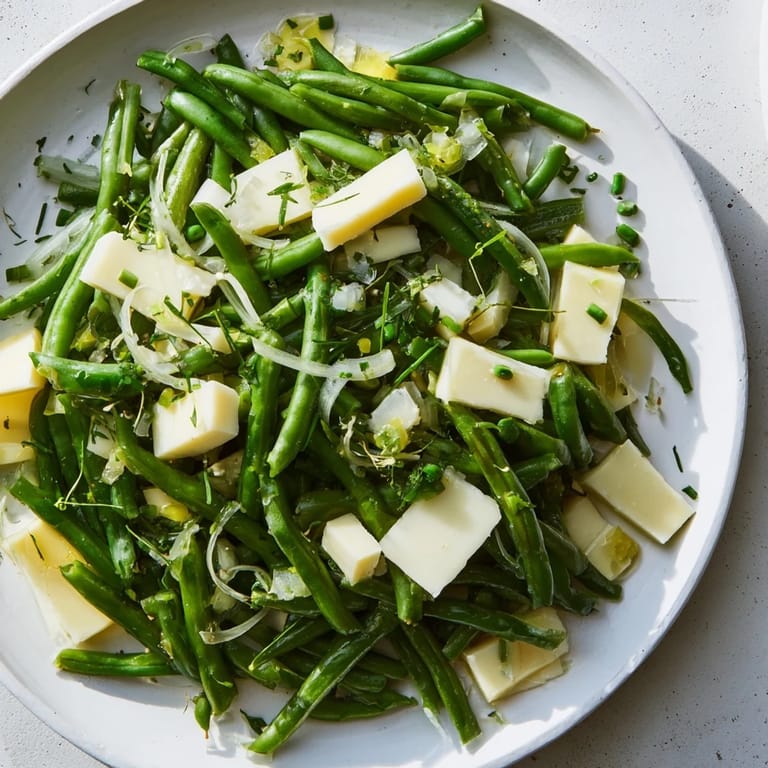
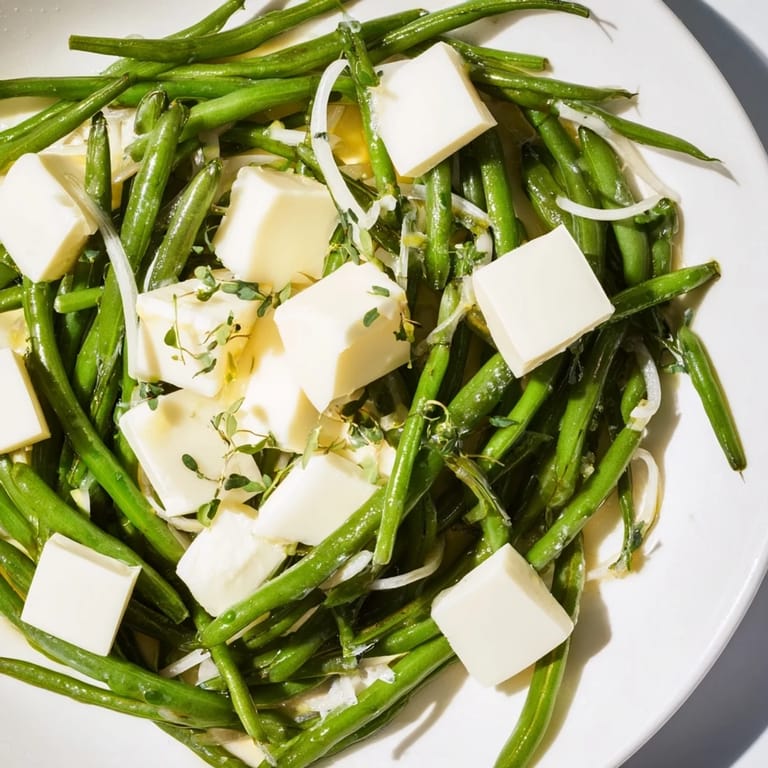
 There's something about a salad that catches you off guard—not the polite side dish you tolerate, but the kind that makes you pause mid-bite and actually taste what's on your plate. I discovered The English Ivy one spring afternoon when I was craving something green and bright but tired of the usual leafy bowls. What started as a simple combination of snap peas and green beans became this beautiful, almost architectural dish once I twisted them into long vines and scattered sharp white cheddar across the top like edible garnish.
I made this for friends who showed up unannounced on a Wednesday evening, and I watched their faces as they realized a simple salad could look like something from a restaurant kitchen. One of them actually asked if they could take a photo before eating it, which almost never happens. That's when I knew I'd stumbled onto something worth keeping in regular rotation.
Ingredients
- Snap peas and green beans: Buy them as fresh as you can find them—they should feel firm and snap when you bend them slightly, a sign they'll have that crisp texture after blanching.
- Sharp white cheddar: Don't use mild; you need the tang to cut through the sweetness of the vegetables and balance the light dressing.
- Shallot: Slice it paper-thin and let it sit in the dressing for a few minutes—it softens just enough to lose its harsh bite while keeping its flavor.
- Lemon juice and Dijon mustard: These are what keep the salad tasting fresh and alive; they prevent it from ever feeling heavy or one-dimensional.
- Honey: Just a whisper of it to round out the acidity and add a subtle sweetness that makes everything feel balanced.
Tired of Takeout? 🥡
Get 10 meals you can make faster than delivery arrives. Seriously.
One email. No spam. Unsubscribe anytime.
Instructions
- Get the water boiling:
- Use salted water—generously salted, like the sea—because these vegetables won't absorb much flavor once they're blanched, so this is your main seasoning opportunity.
- Blanch quickly and chill faster:
- Two minutes is all you need; the moment they turn bright green, fish them out and plunge them into ice water. This stops the cooking dead and locks in that crunch that makes this salad worth eating.
- Build the dressing:
- Whisk everything together in a large bowl—don't be timid with the salt and pepper, and taste as you go because the mustard and lemon need to feel bold.
- Coat and arrange:
- Toss the warm vegetables with the dressing while they're still slightly warm; they'll absorb the flavors better than if they were cold.
- Create the presentation:
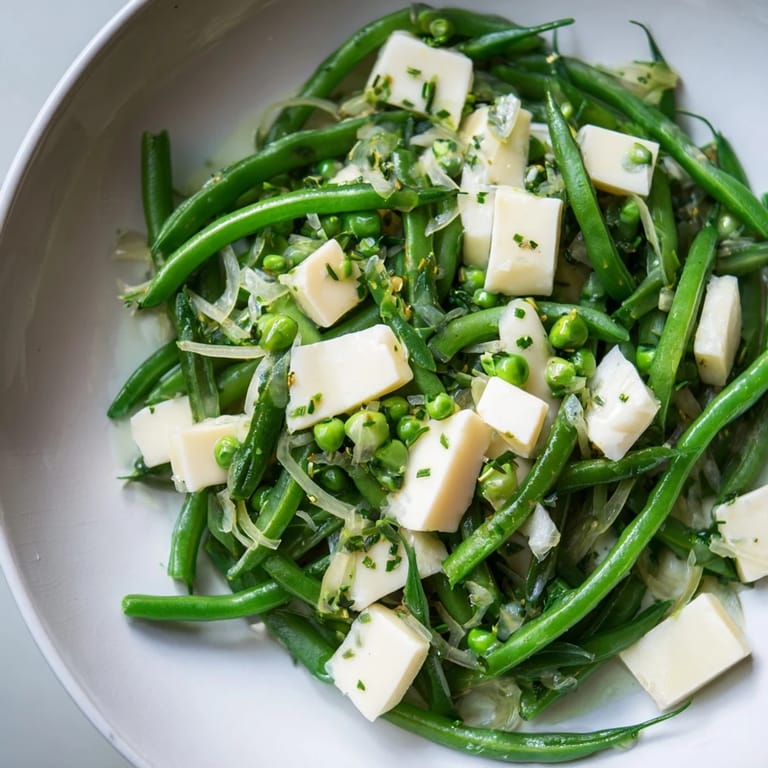
- Arrange the vegetables in long, winding lines on your platter—think of the way ivy crawls across a wall, not neat rows. Scatter the cheddar like you mean it.
- Finish and serve immediately:
- Chives go on last, and microgreens too if you have them, but serve this right away because sitting around makes everything a bit less special.
 Save to Pinterest
 There was a moment at that dinner party when someone asked if this was a real recipe or if I'd invented it, and I realized how rarely people eat salads that feel intentional. That's exactly what this one is—a salad that tastes like you thought about it, even though it's barely more complicated than boiling water.
Why This Works as a Spring Salad
Spring vegetables are delicate, and they deserve to be treated that way—quickly cooked, immediately cooled, then dressed with something acidic and bold enough to make them sing. The blanching method respects their texture while developing their flavor just enough to matter. Light, bright, and ready to eat in twenty minutes.
Building Flavor Without Heaviness
So many salad dressings rely on cream or heavy oils to create richness, but here the sharpness of the cheddar and the tang of the mustard do that work for you. The olive oil is there to carry the flavors, not to drown them—it's a completely different approach than what you'd find in a creamy salad. You end up with something that feels indulgent but won't leave you feeling stuffed.
Making It Your Own
This salad is flexible without losing its identity—you can add toasted nuts for crunch, swap the cheddar for goat cheese if you want something tangier, or throw in some fresh herbs like tarragon or dill. The structure stays the same, but you're free to play around within it. That's the mark of a good recipe: it's confident enough to let you bend it a little.
- Toast walnuts or almonds in a dry pan for two minutes and scatter them over the top for texture and earthiness.
- Make this the day before and keep the dressing separate if you need to prep ahead—just dress it right before serving.
- Pair it with something crisp to drink, like a Sauvignon Blanc or a dry Riesling, and watch how they dance together.
 Save to Pinterest
 This is the salad I reach for when I want something that looks special but doesn't require pretension or hours in the kitchen. It's honest food that feels thoughtful, and that's almost always worth the small effort it takes.
Recipe FAQs
- → How do I keep the snap peas and green beans crisp?
Blanch the vegetables briefly in boiling salted water, then plunge them into ice water to stop cooking and maintain their crunch and color.
- → What type of cheese works best for this salad?
Sharp white cheddar provides a tangy contrast and firm texture that complements the fresh vegetables beautifully.
- → Can I prepare the dressing ahead of time?
Yes, the olive oil, lemon juice, Dijon mustard, honey, salt, and pepper dressing can be whisked together in advance and refrigerated until serving.
- → Are there garnish alternatives to chives and microgreens?
Chopped toasted nuts like walnuts or almonds add crunch, while pea shoots or fresh herbs such as parsley offer vibrant flavor and color.
- → What wine pairs well with these flavors?
Crisp white wines like Sauvignon Blanc or dry Riesling enhance the salad’s fresh and tangy notes.