 Save to Pinterest
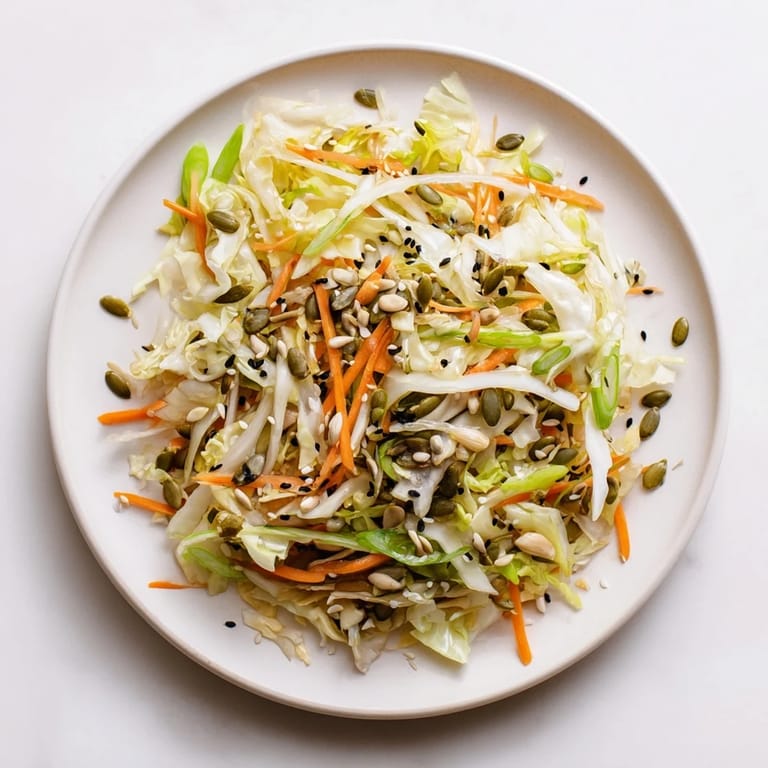
 I discovered the magic of cabbage cores quite by accident one weeknight when I was trimming a head of cabbage and almost threw the dense, pale center piece into the compost. My hand froze midair, and I realized I'd been wasting the crunchiest, most flavorful part the whole time. That core, when shredded fine, becomes something almost silky yet snappy, perfect for a slaw that actually stays crisp for days. Now it's become my favorite way to use a whole cabbage, nothing left behind and everything tasting like intention.
I made this for a potluck where everyone brought heavy, cooked dishes, and somehow this bright, crunchy slaw became the thing people kept coming back to, loading their plates with seconds while the casseroles sat untouched. Someone asked if it was from a restaurant, and I loved being able to say I'd invented it in about fifteen minutes while standing in my kitchen in yoga pants. That moment taught me that simple, honest food often wins over complicated efforts.
Ingredients
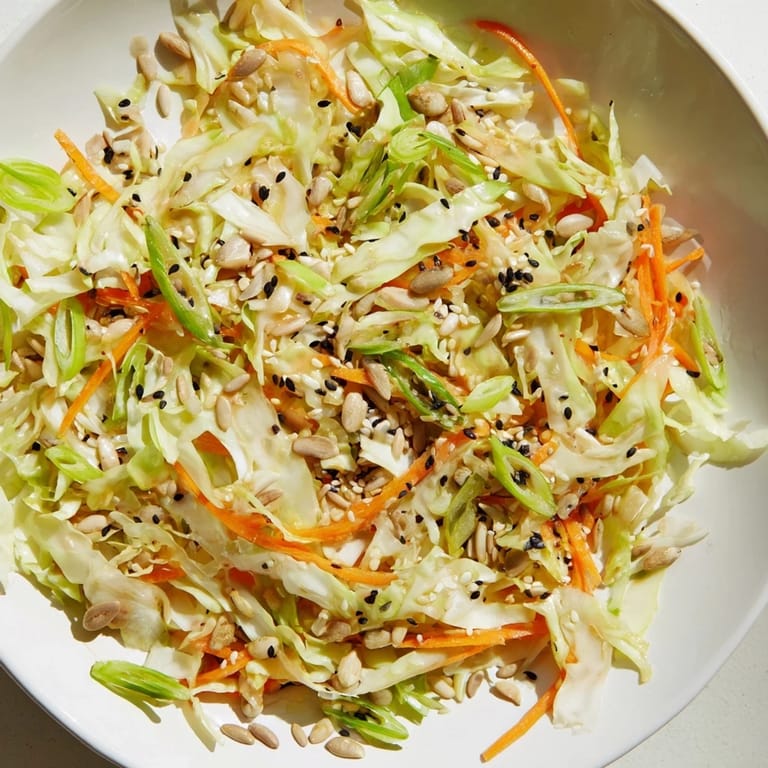
- Cabbage cores: This is the dense, pale part at the center of the cabbage that most people discard, and it's got more crunch and sweetness than the outer leaves.
- Green cabbage leaves: Add color and bulk, but the cores are truly the star here for texture and nutrition.
- Carrot: Julienned thin so it matches the delicate shred of the cabbage and adds natural sweetness.
- Green onions: Sliced on a sharp angle so they look intentional and distribute their mild onion bite evenly.
- Toasted sesame oil: The dressing's backbone, nutty and fragrant, so a little goes a long way without overwhelming anything.
- Rice vinegar: Milder than white vinegar, it lets the sesame oil shine without sharpness.
- Soy sauce or tamari: Adds umami depth and saltiness that balances the sweetness of maple syrup.
- Maple syrup or honey: Creates a subtle glaze and helps the dressing emulsify, making it cling to every strand.
- Fresh ginger and garlic: These give the dressing lift and complexity, minced fine so they distribute evenly.
- Toasted sesame seeds: Buy them already toasted if you can, or toast your own in a dry pan for three minutes, watching carefully so they don't burn.
- Pumpkin and sunflower seeds: Lightly toast these too, even if just for a minute or two, so they release their oils and flavor.
Tired of Takeout? 🥡
Get 10 meals you can make faster than delivery arrives. Seriously.
One email. No spam. Unsubscribe anytime.
Instructions
- Prepare your vegetables:
- Shred the cabbage cores on the finest setting of a box grater or with a mandoline, moving slowly so you don't shred your fingers. The thinner the shreds, the more surface area they have to soak up the dressing and the silkier they'll feel when you eat them.
- Build the dressing:
- Whisk sesame oil with rice vinegar, soy sauce, and maple syrup in a small bowl, then add the ginger and garlic. The dressing should smell immediately aromatic and look slightly glossy, not separated.
- Toss everything together:
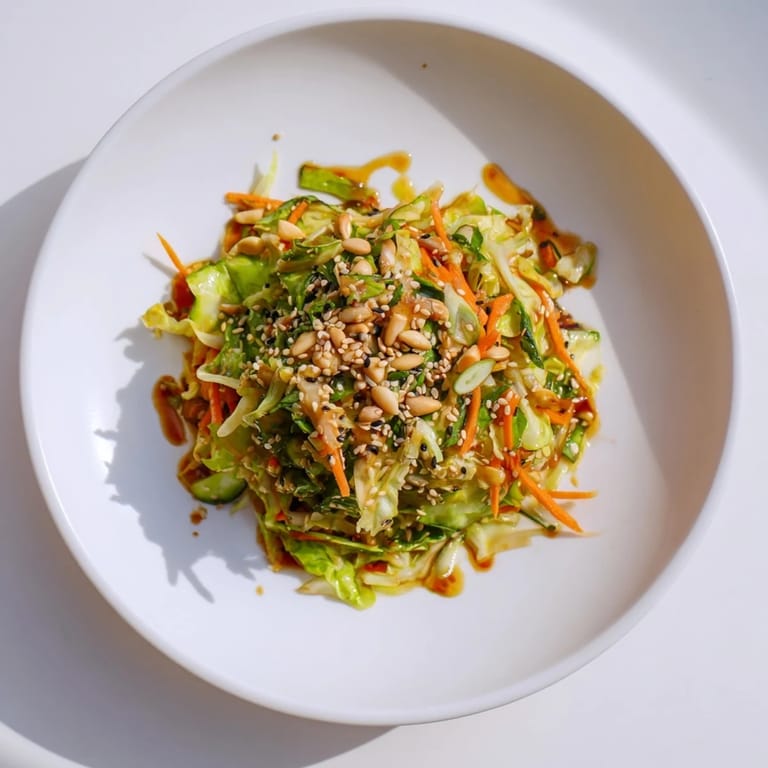
- Pour the dressing over the shredded vegetables in a large bowl and use your hands or tongs to toss thoroughly, making sure every strand gets coated. This is where the salad transforms from raw vegetables into something unified and delicious.
- Toast and scatter your seeds:
- If you haven't already, give your sesame seeds a quick toast in a dry skillet over medium heat for about three minutes, shaking often so they toast evenly. Sprinkle them over the slaw along with the pumpkin and sunflower seeds, tossing gently so you don't crush them.
- Let it rest:
- Letting the salad sit for ten minutes allows the flavors to meld and the cabbage to soften just slightly while staying crisp. Serve it chilled or at room temperature, whatever feels right.
 Save to Pinterest
 My partner, who usually avoids anything green and crunchy, ate most of this slaw straight from the bowl one afternoon while scrolling through his phone, and didn't even realize he'd finished it until the bowl was empty. That's when I knew this recipe had become something special, something that works on people who don't think they like salad.
Why This Slaw Stays Fresh
The dressing on this salad actually preserves the vegetables rather than wilting them, so you can make it in the morning and eat it for lunch without any loss of crunch. The sesame oil coats the cabbage in a protective layer, and the acid from the rice vinegar keeps everything crisp while the flavors actually deepen as they sit. I've left this in my refrigerator for three days and it was better on day two than day one.
How to Make This Even Crunchier
If you're someone who lives for texture, reserve some of the toasted seeds to sprinkle on top just before serving rather than tossing them in. This keeps them from absorbing any moisture and ensures each bite has that satisfying snap. You can also chill the bowl before tossing if you want everything as crisp as possible, or even briefly chill the vegetables themselves before shredding.
Ways to Make It Your Own
This slaw is genuinely a blank canvas for whatever you're craving on any given day, which is why I keep making it in different ways depending on my mood or what's in my kitchen. A slice of red chili or a dash of chili oil transforms it into something hot and thrilling, while fresh cilantro or mint brings a completely different freshness that feels almost tropical. The seeds can be whatever you have on hand, or you can skip them entirely if allergies are a concern.
- Add sliced red chili or chili oil if you want heat that lingers and builds with each bite.
- Top with fresh cilantro or mint for a brightness that feels like you're eating a completely different salad.
- Swap any of the seeds for hemp hearts, pumpkin seeds, or whatever toasted seeds you have hiding in your pantry.
 Save to Pinterest
 This slaw has become my answer to almost every meal, a reliable friend that shows up in my lunch box or on my dinner table and somehow makes everything taste a little brighter. It's proof that the best recipes often come from a moment of almost-waste, a split second where you decide not to throw something away.
Recipe FAQs
- → What makes the cabbage cores special in this slaw?
Cabbage cores provide a unique crunchy texture and additional fiber, making the slaw more nutritious and satisfying.
- → Can I substitute the soy sauce for a gluten-free option?
Yes, tamari or coconut aminos can be used as gluten-free alternatives without compromising flavor.
- → What seeds are used for topping the slaw?
Toasted sesame seeds, pumpkin seeds, and sunflower seeds add a nutty crunch and enhance the overall texture.
- → Is this dish best served chilled or warm?
It is best enjoyed chilled or at room temperature to allow flavors to meld and maintain the crisp texture.
- → How can I add a spicy kick to the slaw?
Adding sliced red chili or a dash of chili oil provides a subtle heat that complements the fresh ingredients.