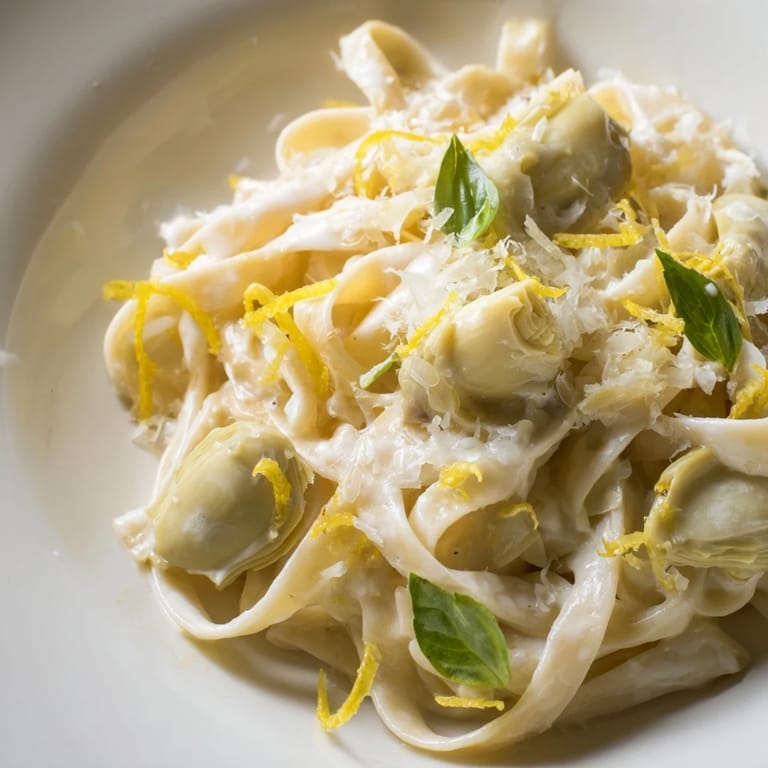
 Save to Pinterest
 There's something about the way lemon and cream find each other in a pan that reminds me why I cook at all. I discovered this particular combination on a Tuesday afternoon when I had artichokes in the fridge that needed rescuing and a craving for something that didn't taste like winter anymore. The first spoonful told me I'd stumbled onto something special—bright, rich, and somehow both comforting and surprising at once.
I made this for my neighbor who'd just moved in, and she stood in my kitchen breathing in the steam rising off the pan with this look of pure contentment. We never even made it to the dining room—just leaned against the counter with our bowls, talking about her old job and her new one, and somehow the pasta became the least important part of the evening. Though she did come back the next week asking for the recipe.
Ingredients
- 350 g fettuccine or linguine: Long strands catch the sauce better than shorter shapes, and the ribbon-like texture feels right with something this silky—use whatever you have on hand, though.
- 1 can (400 g) artichoke hearts, drained and quartered: Canned is honestly better here than fresh because they're already tender and ready to go; just make sure to drain them well so they don't water down your sauce.
- 2 cups baby spinach (optional): This adds a gentle earthiness and a little color, but it's truly optional—the pasta is gorgeous without it.
- 2 cloves garlic, minced: Fresh garlic is non-negotiable; minced finer than you think you need it because it'll dissolve into the sauce.
- 1 small shallot, finely chopped: Shallots have a sweetness that garlic alone can't quite give you, and they mellow beautifully when they soften.
- Zest of 1 lemon: The zest is where the magic lives—it holds the bright flavor better than juice alone, so don't skip this step.
- Juice of 1 lemon: Fresh lemon juice, not the bottled kind; it makes all the difference in the final taste.
- 200 ml heavy cream: Whole cream creates that luxurious mouthfeel without breaking or separating, though it does mean you can't make this quite as easily vegan.
- 60 g grated Parmesan cheese: Freshly grated is better than pre-grated because the anti-caking agents can make the sauce grainy.
- 2 tbsp unsalted butter: The butter and olive oil together create a better base than either one alone.
- 2 tbsp extra-virgin olive oil: A good one matters here because there's nothing else to hide behind.
- Salt, black pepper, and red pepper flakes: Start with less than you think; you can always add more but you can't take it back.
- Fresh basil or parsley for garnish: This is the final note that ties everything together.
Tired of Takeout? 🥡
Get 10 meals you can make faster than delivery arrives. Seriously.
One email. No spam. Unsubscribe anytime.
Instructions
- Get your water boiling:
- Fill a large pot with water, salt it generously—like pasta water, not soup—and bring it to a rolling boil. This takes longer than you'd think, so start this first.
- Cook the pasta:
- Drop your pasta in and set a timer for one minute less than the package says because you want it al dente, not soft. While it cooks, reserve about half a cup of the starchy water before draining.
- Build your base:
- In a large skillet, warm the olive oil and butter together over medium heat. You'll smell it when it's ready—that nutty, toasty aroma that means the butter's beginning to brown just slightly.
- Soften the aromatics:
- Add your minced shallot and garlic to the warm oil and butter, stirring constantly for about two minutes until they release their fragrance and turn soft and translucent. This is when your kitchen starts to smell like cooking.
- Toast the artichokes:
- Toss in the drained artichoke quarters and let them sit in the heat for a few minutes without stirring constantly. You want them to pick up a little color, maybe a light golden edge, which gives them depth.
- Bring in the brightness:
- Add the lemon zest and the spinach if you're using it, stirring until the spinach collapses down into the pan. The warmth will release even more from the lemon zest.
- Create the sauce:
- Pour in your heavy cream and let it come to a gentle simmer—not a rolling boil, just a soft bubble around the edges. Stir in the Parmesan cheese until it's completely melted and smooth.
- Season to taste:
- Add your lemon juice, salt, pepper, and red pepper flakes if you like a tiny kick. Taste as you go; seasoning is personal and these amounts are just a starting point.
- Bring it together:
- Add your drained pasta directly to the sauce and toss everything together gently. If it seems too thick, add a splash of that reserved pasta water and stir again.
- Plate and finish:
- Serve immediately while everything's still hot, topped with a scatter of fresh basil or parsley and a little extra Parmesan if you'd like.
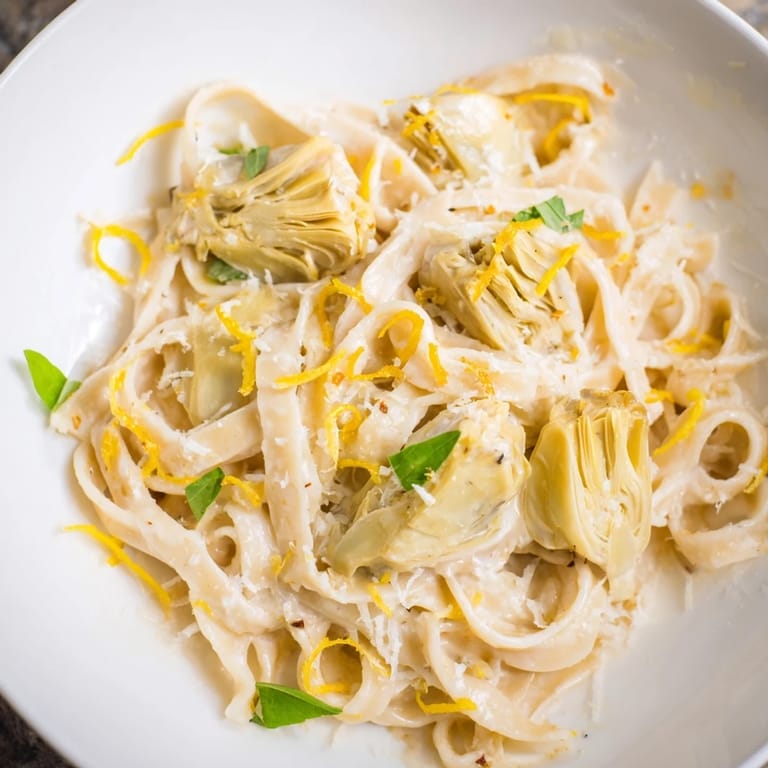 Save to Pinterest
 My sister took one bite of this the first time I made it for her and immediately got quiet in that way people do when something unexpected happens on their tongue. She asked me to make it for her dinner party the following weekend, which felt like the ultimate compliment coming from someone who'd lived in Italy for two years.
Why Lemon and Cream Were Made for Each Other
There's a chemistry that happens when you combine these two things—the acidity of the lemon brightens the richness of the cream instead of curdling it, which is the opposite of what you'd expect. In my experience, this balance is what keeps the dish from feeling heavy even though it's clearly an indulgence. It's why this pasta works as a weeknight dinner instead of something you'd only make for a celebration.
The Artichoke Secret
Most people think of artichokes as this fancy, intimidating vegetable, but canned artichoke hearts are genuinely underrated. They've got a tender, slightly sweet quality that works perfectly in a cream sauce, and they add a subtle sophistication without requiring you to spend an hour cleaning a fresh one. I've learned that sometimes the ingredient that seems like a shortcut is actually just a smarter way of cooking.
Variations and Moments of Inspiration
I've made this pasta so many different ways depending on what's in my fridge or what kind of dinner I'm trying to create. One evening I added shrimp and suddenly it felt fancy enough for a date night. Another time I used roasted red peppers instead of spinach and it had a completely different personality. The bones of the recipe are strong enough to adapt, which is one of those rare qualities that makes a dish worth coming back to.
- A handful of cooked shrimp or chicken turns this into a more substantial main course if you need the extra protein.
- Roasted red peppers, sun-dried tomatoes, or even fresh peas can replace the spinach for different flavors and colors.
- If you're making this vegan, use a good quality plant-based cream and a dairy-free Parmesan, though the results will be slightly different.
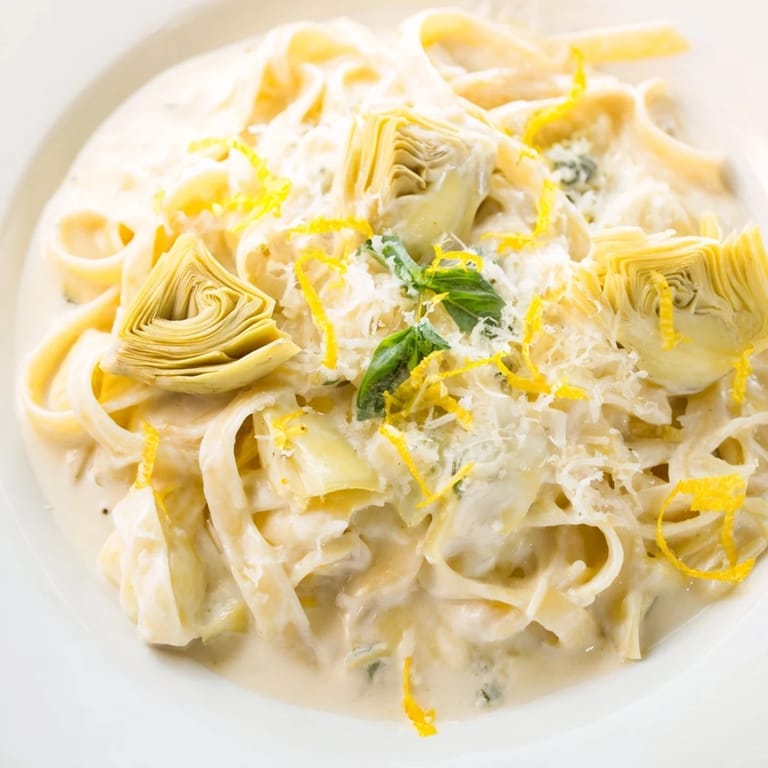 Save to Pinterest
 This is the kind of recipe that reminds you why you started cooking in the first place—something that tastes like more effort than it actually was, and that brings people around your table without drama. Make it once and it'll become part of your rotation.
Recipe FAQs
- → What pasta works best for this dish?
Fettuccine or linguine are ideal as they hold the creamy sauce well without overpowering the delicate flavors.
- → Can I add protein to the dish?
Yes, cooked chicken or shrimp pair nicely, complementing the creamy lemon and artichoke flavors.
- → How do I make the sauce silky?
Reserving some pasta cooking water and incorporating it slowly helps achieve a smooth, silky sauce consistency.
- → Is baby spinach necessary?
Spinach adds freshness and color but can be omitted if preferred, without greatly altering the overall taste.
- → Can this be made vegan?
Replace heavy cream with plant-based alternatives and use vegan cheese to maintain creaminess without dairy.
- → What herbs finish the dish best?
Fresh basil or parsley provide a bright, herbal note that balances the creamy and citrus flavors wonderfully.