 Save to Pinterest
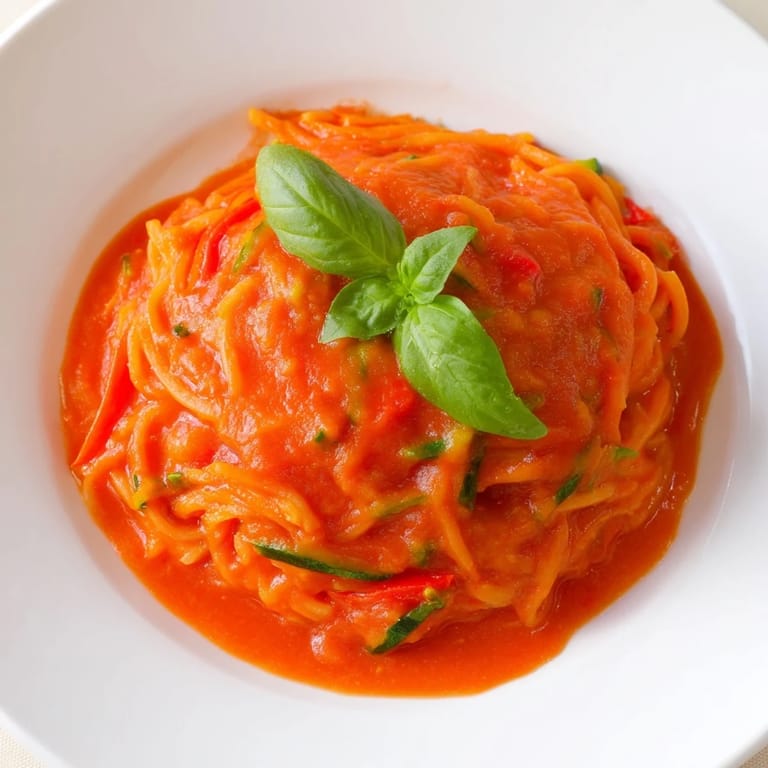
 There's something almost magical about watching a pile of raw vegetables transform into something silky and vibrant. I discovered this sauce by accident one autumn evening when I had more vegetables than I knew what to do with and a craving for pasta that felt comforting, not heavy. The blender became my best friend that night, and suddenly what I thought would be a simple tomato sauce had turned into something my family couldn't stop talking about.
I made this for a dinner party once when I was tired of explaining recipes and wanted something I could get right without thinking. My neighbor tasted it and asked if I'd been secretly taking cooking classes. The best part? She had no idea the sauce was basically vegetables pretending to be tomato.
Ingredients
- Carrot, medium: This adds natural sweetness and body to the sauce—peel it so nothing gritty shows up in the final blend.
- Zucchini, small: It disappears completely when puréed but adds moisture and silkiness that keeps the sauce from tasting thin.
- Bell pepper, red or orange: Choose these over green for a sweeter note; they also add brightness that plays beautifully against the tomato.
- Onion, small: The foundation of everything, softening into the background and building flavor slowly.
- Garlic, 2 cloves minced: Wait until the vegetables soften before adding so it doesn't burn and turn bitter on you.
- Celery stalk: It sounds like an odd addition but it brings a subtle earthiness that ties everything together.
- Crushed tomatoes, 2 cans: Don't buy diced; crushed blends smoother and gives you that restaurant-quality texture.
- Tomato paste, 2 tbsp: This is concentrated tomato flavor, and cooking it briefly in oil before adding liquid makes it taste richer and less one-note.
- Olive oil, 1 tbsp: It carries the flavor of everything you're sautéing and prevents sticking without needing butter.
- Dried oregano, 1 tsp: The heart of Italian seasoning; don't skip it because the whole sauce depends on that herbaceous note.
- Dried basil, 1 tsp: Pairs with oregano like they were made for each other—fresh basil at the end tastes completely different so use both.
- Salt and black pepper: Taste as you go here because canned tomatoes vary wildly in saltiness.
- Sugar, optional 1/2 tsp: A tiny amount balances acidity without making anything taste sweet—use it if the sauce tastes sharp or puckering.
Tired of Takeout? 🥡
Get 10 meals you can make faster than delivery arrives. Seriously.
One email. No spam. Unsubscribe anytime.
Instructions
- Soften the vegetables:
- Heat oil over medium heat and add onion, carrot, celery, zucchini, and bell pepper, letting them cook together for 8 to 10 minutes until they've released their water and started turning tender. You're not looking for color here, just softness—it should smell almost sweet.
- Wake up the garlic:
- Add your minced garlic and stir constantly for just 1 minute until you can smell it; any longer and it starts to catch.
- Toast the tomato paste:
- Stir it in and let it cook for 1 minute with the vegetables—this deepens the flavor so it doesn't taste tinny later.
- Build the sauce:
- Pour in the crushed tomatoes, add your herbs, salt, pepper, and sugar if using, then bring everything to a gentle simmer where bubbles appear lazily at the surface.
- Let it meld:
- Cover and simmer for 20 to 25 minutes, stirring occasionally, until every vegetable is falling apart if you poke it. This is when flavors actually become a sauce instead of just mixed ingredients.
- Purée until smooth:
- Remove from heat and use an immersion blender to purée directly in the pan, or work in batches with a regular blender—push it until there's absolutely no graininess left.
- Finish with a gentle simmer:
- Return to low heat and cook uncovered for 5 to 10 minutes while tasting and adjusting salt or a touch more sugar if needed. This final time lets flavors settle and the sauce thicken slightly.
 Save to Pinterest
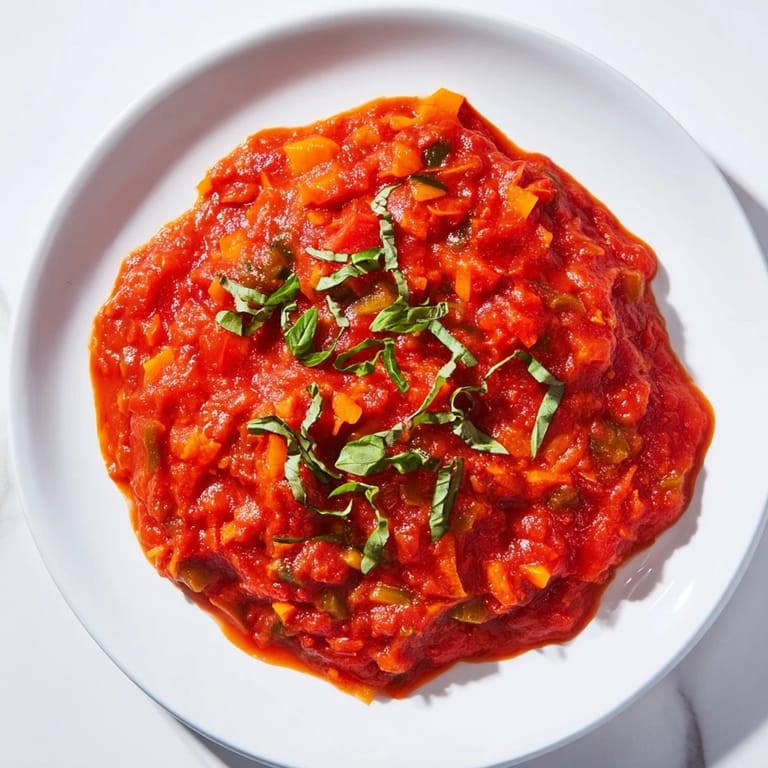
 The moment this sauce truly became important to me was when my kid, who usually pushes vegetables to the side, asked for seconds. Nothing was visibly hidden—it was just genuinely delicious, and that realization hit different.
Transforming Simple Ingredients
The secret to this sauce is understanding that you're not trying to hide vegetables—you're inviting them to become part of something bigger. Every vegetable here softens and blends into a texture so smooth it feels almost luxurious, and that's exactly what makes people reach for more.
Making It Your Own
This is the kind of sauce that celebrates flexibility. Spinach wilts right in and disappears, broccoli florets break down into the background, and even a handful of mushrooms adds an earthy depth that nobody will be able to identify but everyone will taste. Cooked lentils or white beans stirred in after blending turn this into something hearty enough for a vegetarian main course.
Storage and Make-Ahead Magic
This sauce is a gift to your future self because it freezes beautifully for up to three months in airtight containers. I portion mine into 2-cup amounts so I'm never thawing more than I need. On a night when cooking feels impossible, this becomes dinner in the time it takes pasta to boil.
- Freeze in individual portions so you can grab exactly what you need without defrosting the whole batch.
- Thaw overnight in the refrigerator or gently reheat from frozen over low heat, stirring occasionally so it warms evenly.
- A dollop of fresh basil when serving makes the defrosted sauce taste just-made again.
 Save to Pinterest
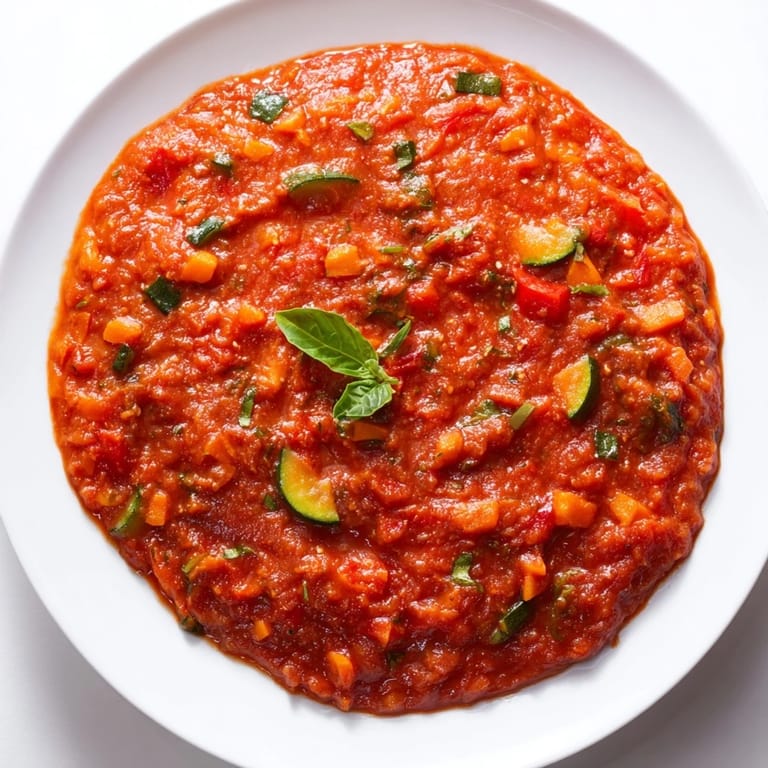
 This sauce proves that the best meals often come from working with what you have on hand and being willing to let the blender do the work. Make it once and it becomes something you return to again and again.
Recipe FAQs
- → What vegetables are used to enrich the tomato base?
Carrots, zucchini, bell pepper, onion, garlic, and celery are sautéed to complement the crushed tomatoes, adding depth and nutrition.
- → How is the sauce made smooth and creamy?
After simmering, the sauce is puréed using an immersion or countertop blender for a velvety texture.
- → Can this sauce be prepared in advance?
Yes, it freezes well for up to three months, making it convenient for meal prepping.
- → What seasonings enhance the flavor profile?
Dried oregano, basil, salt, pepper, and optional sugar balance acidity while subtle heat can be added with red pepper flakes.
- → Are there suggestions to boost nutrition or heartiness?
Adding spinach, broccoli florets, cooked lentils, or white beans enriches the sauce with extra nutrients and texture.