 Save to Pinterest
 There's something almost magical about celery root—it sits there in the produce section looking lumpy and unpromising, and then you slice into it and discover this pale, delicate flesh that transforms into something genuinely luxurious when coaxed with butter and cream. I stumbled onto this bisque by accident one autumn evening when I had celery root taking up space in my crisper drawer and a half-empty carton of heavy cream that needed rescuing. What emerged from that pot was so silky and elegant that I couldn't believe I'd almost thrown the celery root away.
I made this soup for a dinner party on the first truly cold night of the year, serving it in delicate bowls with a curl of crispy sage on top and a pour of white wine waiting nearby. My friend Sarah took one spoonful and her eyes went wide—she asked if I'd made it at a restaurant that afternoon, and I've never felt more quietly proud of anything I've ever stirred into a pot. That soup became the reason people started asking me to host dinner parties.
Ingredients
- Celery root (1 large, about 700 g / 1.5 lb), peeled and diced: This is the soul of the soup—it has a subtle, almost parsnip-like sweetness that deepens when simmered. Peel it generously as the outer layer can be tough and fibrous.
- Yukon Gold potato (1 medium), peeled and diced: The potato adds body and helps create that luxurious velvety texture without thinning the soup too much.
- Leek (1 medium, white and light green parts only), sliced: Leeks are gentler than onions and bring a rounded, almost sweet flavor that complements celery root beautifully—always slice them in half lengthwise and rinse between layers for grit.
- Yellow onion (1 small), chopped: A single small onion provides depth without overpowering the delicate celery root flavor.
- Garlic cloves (2), minced: Two cloves is enough to whisper in the background; more would make this soup bossy.
- Vegetable broth (4 cups / 1 liter), gluten-free if needed: Use a broth you'd actually drink on its own—that quality matters here.
- Whole milk or plant-based milk (1 cup / 240 ml): This tames the richness slightly while the cream handles the luxe factor.
- Heavy cream or non-dairy cream (1/2 cup / 120 ml): Don't skip this—it's what turns good soup into the kind you dream about.
- Unsalted butter or olive oil (2 tbsp): Butter wins here if you're not vegan, but olive oil creates its own kind of elegant simplicity.
- Bay leaf (1): One bay leaf adds a subtle herbal note that ties everything together.
- Ground white pepper (1/4 tsp): White pepper is less aggressive than black and keeps the soup looking pristine—save black pepper for when you want color and bite.
- Salt, to taste: Always season at the very end, after the cream goes in.
- Chopped chives or parsley, for garnish: Fresh herbs brighten each spoonful and add a visual finish that makes people feel cared for.
Tired of Takeout? 🥡
Get 10 meals you can make faster than delivery arrives. Seriously.
One email. No spam. Unsubscribe anytime.
Instructions
- Start with the aromatic base:
- Melt your butter in a large pot over medium heat, listening for that gentle sizzle. Add the sliced leek, chopped onion, and minced garlic, stirring occasionally until they're soft and starting to turn translucent—about 5 minutes—but resist the urge to brown them, which would muddy the delicate flavors you're building.
- Introduce the main players:
- Add your diced celery root and potato, stirring for about 3 minutes so they get coated in the buttery base. You'll start to smell that earthy celery root scent intensifying, which is exactly what you want.
- Build the broth and simmer:
- Pour in your vegetable broth and tuck in the bay leaf, then bring everything to a boil before immediately reducing the heat and covering the pot. Let it simmer undisturbed for 25 minutes, until the vegetables are so tender they fall apart when you press them with a wooden spoon.
- Purée into silk:
- Fish out the bay leaf and discard it, then use your immersion blender to work through the soup in steady, patient strokes until every trace of texture disappears and you're left with something that looks like cream. If you're using a countertop blender, do this in batches and never fill it more than halfway—hot liquid has strong opinions about expanding.
- Finish with cream and heat gently:
- Stir in the milk and cream slowly, tasting as you go because proportions matter with cream. Heat the finished soup gently without letting it boil, which would make the cream separate and break your beautiful work—low heat, patience, and a watchful eye are all you need.
- Season and serve:
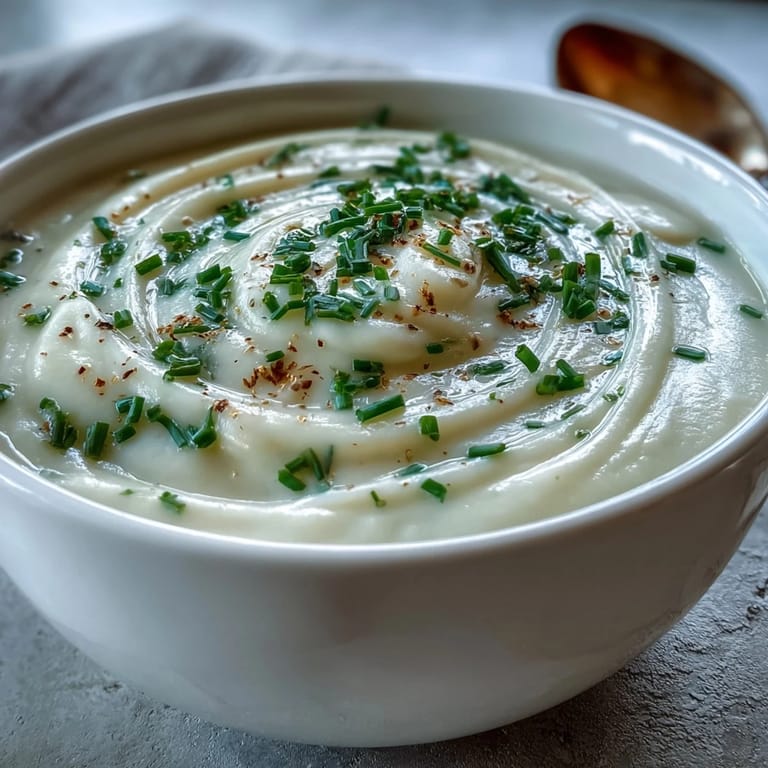
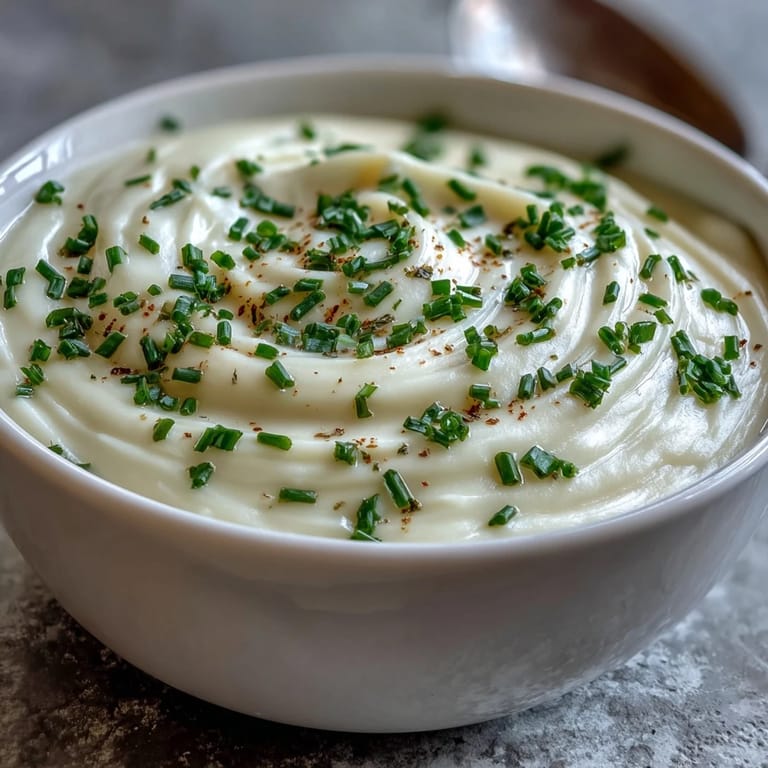
- Taste carefully and season with salt and white pepper until the flavors feel balanced and complete. Ladle into warm bowls (cold bowls are the enemy of good soup) and garnish with a small handful of fresh chives or parsley and a thin drizzle of cream if you're feeling celebratory.
 Save to Pinterest
 There was a morning months later when my neighbor mentioned offhand that she'd made this soup for her mother who'd been ill, and her mother had actually smiled while eating it—the first real smile in weeks. I realized that this bisque had become more than dinner; it was something I could give to people when words weren't enough. That's when I understood why I keep coming back to making it.
The Celery Root Advantage
Celery root gets overlooked in most American kitchens, overshadowed by carrots and celery, but once you spend time with it you realize it's the quiet relative with actual interesting things to say. Unlike celery, which can be watery and stringy, celery root is dense and starchy, which means it breaks down beautifully under heat and naturally creates creaminess without requiring obscene amounts of dairy. It's also one of the few vegetables that actually tastes more interesting cooked than raw—raw celery root is fine, but cooked and puréed, it becomes something else entirely, something that tastes like it's been aging gracefully for years.
Making It Your Own
This soup is forgiving in ways that other soups aren't, which means you can play with it without ruining it. Some of my favorite variations have emerged from simply paying attention to what was already in my kitchen—a splash of dry white wine added after sautéing the vegetables deepens the flavor considerably, and a pinch of fresh thyme whispered in during the simmer adds intrigue without announcing itself. You can also adjust the consistency to your preference by using less cream for something lighter or adding an extra half cup of broth if you prefer a thinner, more elegant spoon-able soup.
Storing and Reheating
This soup keeps beautifully in the refrigerator for up to four days in an airtight container, and honestly, it tastes even more harmonious on day two when the flavors have had time to settle and deepen. When reheating, use a gentle hand—warm it slowly over medium-low heat, stirring occasionally, and resist any urge to let it boil. If the soup seems too thick after refrigeration, just whisk in a splash of broth or milk until it reaches the consistency you want.
- For freezing, leave out the cream and dairy entirely, then add them when you reheat—this prevents texture loss and keeps everything tasting fresh.
- A sprinkle of fleur de sel and one or two leaves of fresh tarragon transform leftovers into something that feels brand new.
- This soup is perfect for making in double batches on quiet weekends when you know busy weeknights are coming.
 Save to Pinterest
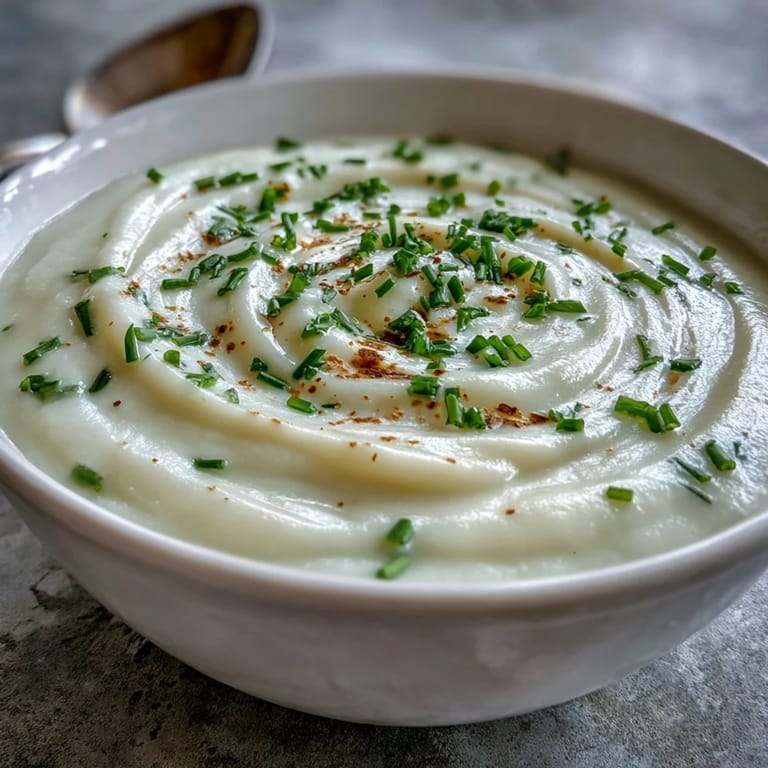
 There's a quiet confidence that comes from serving a soup this beautiful, and it's something everyone should experience at least once. Make this when you want to prove something gentle to yourself about what you're capable of creating.
Recipe FAQs
- → What does celery root taste like?
Celery root has a mild, earthy flavor with subtle celery notes and a slight sweetness. It's more delicate than traditional celery and becomes wonderfully creamy when cooked.
- → Can I make this bisque ahead of time?
Absolutely. This bisque actually improves after resting overnight as the flavors meld together. Store in the refrigerator for up to 3 days and reheat gently before serving.
- → What's the purpose of adding potato?
The Yukon Gold potato adds natural starch that helps create that silky, restaurant-quality texture without needing excessive cream. It also adds subtle sweetness that balances the celery root.
- → Why use white pepper instead of black?
White pepper provides gentle heat without visible specks, maintaining the bisque's pristine appearance. Its flavor is also slightly more earthy and less sharp than black pepper.
- → Can I freeze this bisque?
Yes, freeze for up to 3 months. Leave out the cream when freezing, then stir it in during reheating for the best texture. Thaw overnight in the refrigerator before warming.
- → What wine pairs best with this bisque?
A crisp, mineral-driven white like Sauvignon Blanc, Chablis, or dry Riesling complements the earthy celery root beautifully. Look for wines with good acidity to cut through the creaminess.