 Save to Pinterest
 There's something about a warm bowl that feels like a quiet conversation with yourself, especially on those afternoons when you need to eat well but don't want to overthink it. I discovered this recipe during a particularly crisp autumn when my farmer's market haul kept whispering possibilities, and I realized that not every salad needs to be cold to feel fresh. The magic happens when warm grains meet wilted greens and roasted vegetables all mingle with a vinaigrette that's still steaming—it's comfort food that doesn't apologize for being nutritious.
I made this for a group of friends who were skeptical about eating salad for dinner, and watching them circle back for seconds felt like a small victory. One friend asked if I'd added butter to the greens—that's when I knew the warm vinaigrette was doing its job, creating this unexpected richness that felt indulgent without weighing anyone down.
Ingredients
- Quinoa or brown rice (1 cup, rinsed): Quinoa cooks faster and has a lighter texture, while brown rice feels earthier and keeps its bite longer—choose based on your mood and how much time you have.
- Water or vegetable broth (2 cups): Broth elevates the entire bowl with subtle flavor, but water works beautifully if that's what you have on hand.
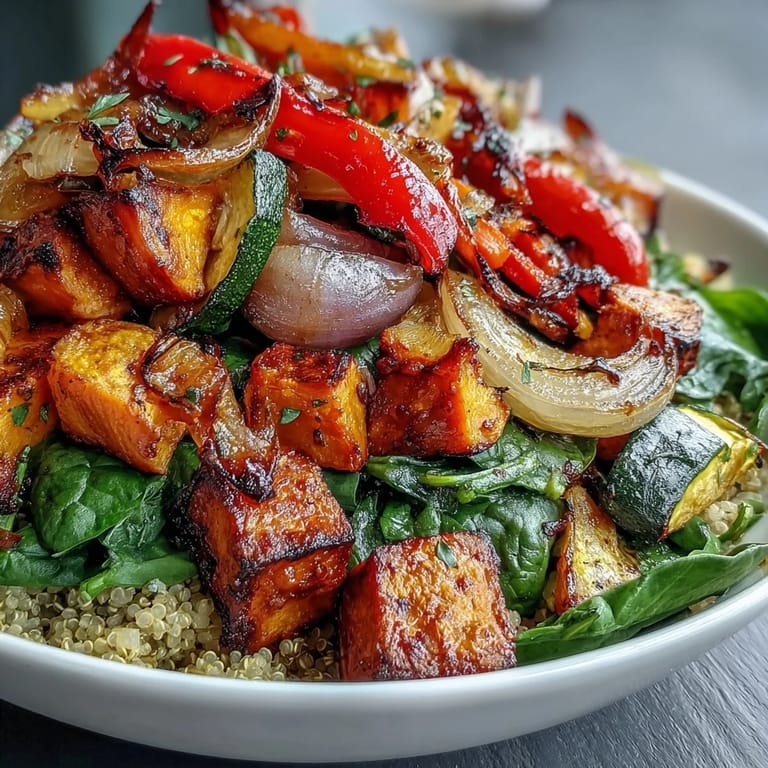
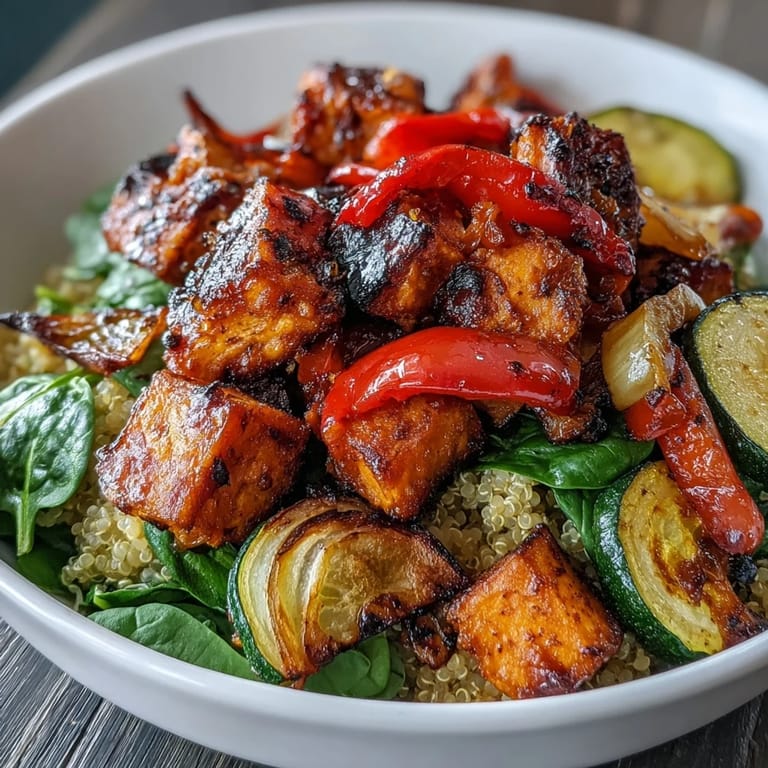
- Sweet potato, red bell pepper, red onion, and zucchini: These vegetables roast into tender sweetness while their edges caramelize, creating pockets of concentrated flavor throughout the bowl.
- Olive oil (2 tablespoons for vegetables, 3 for vinaigrette): Quality matters here since it's a main flavor player, not just a cooking medium.
- Smoked paprika (1 teaspoon): This is your secret weapon for depth—it transforms ordinary roasted vegetables into something with character and warmth.
- Salt and pepper: Season vegetables generously before roasting so the flavors deepen rather than staying surface-level.
- Baby spinach or kale (4 cups): Spinach wilts faster and tastes delicate, while kale holds its shape and adds a pleasant chew even when warm.
- Apple cider vinegar (1 tablespoon): This brings brightness without sharpness, especially important in a warm vinaigrette where vinegar can taste harsher than usual.
- Dijon mustard (1 teaspoon): It acts as an emulsifier and adds subtle sophistication—don't skip it or use yellow mustard as a replacement.
- Honey or maple syrup (1 teaspoon): This balances the vinegar's acidity and creates a gentle sweetness that complements roasted vegetables.
- Garlic (1 small clove, minced): Mince it finely so it distributes evenly through the warm vinaigrette and doesn't overpower with raw bite.
- Feta or goat cheese, toasted seeds, fresh herbs (optional): These toppings add texture and freshness, but the bowl stands on its own without them if you prefer simplicity.
Tired of Takeout? 🥡
Get 10 meals you can make faster than delivery arrives. Seriously.
One email. No spam. Unsubscribe anytime.
Instructions
- Heat your oven and prepare the space:
- Set your oven to 425°F and line a baking sheet with parchment paper so you can roast vegetables without the cleanup anxiety. This small step saves you from scrubbing later and gives you mental space to focus on the rest of the cooking.
- Roast the vegetables until they're golden and tender:
- Toss your sweet potato, bell pepper, onion, and zucchini with olive oil, smoked paprika, salt, and pepper, then spread them on the sheet in a single layer. Roast for 25 to 30 minutes, stirring halfway through, until the edges caramelize and everything tastes concentrated and sweet—this is where the bowl's soul comes from.
- Cook your grains while vegetables roast:
- Combine rinsed quinoa or brown rice with water or broth in a saucepan, bring to a boil, then reduce heat to low and cover. Let it cook undisturbed for 15 to 20 minutes for quinoa or according to package directions for rice, then fluff with a fork—the steam escaping is your signal that it's ready.
- Prepare the warm vinaigrette gently:
- In a small pan over low heat, whisk together olive oil, apple cider vinegar, Dijon mustard, honey, and minced garlic for just 1 to 2 minutes until it's warm but not hot. This timing matters because overheating vinegar makes it taste harsh and metallic.
- Wilt the greens with intention:
- Pour half the warm vinaigrette over your spinach or kale in a large bowl and toss gently, watching as the greens soften and darken slightly—don't crush them or you'll bruise the leaves unnecessarily.
- Assemble with care and serve immediately:
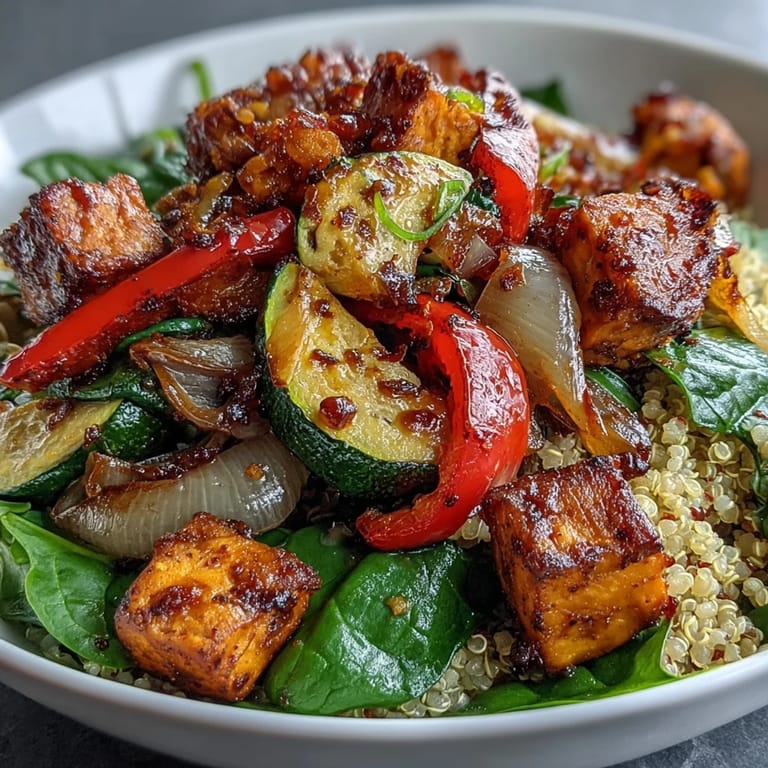
- Divide the warm grains among four bowls, then top each with wilted greens, roasted vegetables, and any cheese or seeds you're using. Drizzle the remaining warm vinaigrette over everything and serve right away so the temperature stays comforting and the textures remain distinct.
 Save to Pinterest
 This bowl became my answer to the question I kept asking myself: how do I eat nourishing food without it feeling like a chore? The day my partner reached for a second serving without being asked felt like permission to keep making this over and over.
Why Warm Grains Matter More Than You Think
Warm grains create a different eating experience than cold ones—they absorb flavors more readily and feel substantial in a way that satisfies both hunger and mood. I've noticed that people eat more slowly with a warm bowl, actually tasting each element instead of rushing through because the temperature forces you to be present.
The Vinaigrette Is Everything
A warm vinaigrette changes how your palate responds to everything else in the bowl, pulling flavors forward and making vegetables taste more like themselves. The heat also means the oil and vinegar emulsify slightly, creating a silkier texture that cold vinaigrette simply can't achieve—it's a small detail that makes an enormous difference.
Flexibility Built Into Every Layer
This bowl thrives on substitution without losing its soul, which is why it became my go-to recipe when inspiration felt thin or the vegetable drawer held surprises. Winter squash, broccoli, cauliflower, Brussels sprouts, or whatever looks good at the market will roast beautifully alongside your chosen grain and taste nothing short of intentional.
- Try farro, millet, or even barley instead of quinoa or rice for completely different textures and flavors.
- Add roasted chickpeas for protein-boost, or crumbled tofu if you want richness without dairy.
- Make this vegan by skipping cheese and using maple syrup instead of honey in the vinaigrette.
 Save to Pinterest
 This warm salad bowl taught me that nourishing yourself doesn't require complicated techniques or fancy ingredients, just intention and a willingness to taste as you go. Make it, adjust it, make it again—it's a recipe that gets better the more you cook it.
Recipe FAQs
- → Can I make this bowl ahead of time?
Yes, prepare the grains and roasted vegetables up to 3 days in advance. Store separately in airtight containers and reheat gently before assembling. Make the vinaigrette fresh for best flavor.
- → What other grains work well in this bowl?
Farro, millet, bulgur, or wheat berries are excellent alternatives to quinoa. Adjust cooking times according to package instructions. Each grain brings its own texture and nutritional profile.
- → How do I make this completely vegan?
Simply skip the cheese topping or use a plant-based feta alternative. Ensure your maple syrup is certified vegan, though most varieties are naturally plant-based.
- → Can I roast different vegetables?
Absolutely. Butternut squash, Brussels sprouts, carrots, or cauliflower roast beautifully. Cut vegetables into similar-sized pieces for even cooking, adjusting roasting time as needed.
- → Why warm the vinaigrette?
Gently warming the dressing helps it emulsify better and allows the flavors to meld. When tossed with greens, the slight heat wilts them just enough to make them tender while maintaining fresh texture.