 Save to Pinterest
 My neighbor brought over a bottle of Limoncello one summer evening, and I spent the next hour pestering her about where it came from—turns out she'd just returned from the Amalfi Coast. By the time she left, I was determined to capture that sunshine-in-a-bottle feeling in something I could bake. This pound cake became my answer: dense enough to hold its own, bright enough to taste like you're biting into a lemon grove, and elegant enough that it doesn't feel like you're just eating cake for the sake of it.
I made this for my book club the first time, nervous that the Limoncello might taste too boozy or that the whole thing would feel like I was trying too hard. Instead, one person ate two slices and asked for the recipe before even sitting down, and someone else mentioned it was the reason she came back that month. That's when I realized this cake wasn't about impressing anyone—it was just genuinely delicious in a way that made people happy.
Ingredients
- Unsalted butter (1 cup, softened): Room temperature is non-negotiable here—cold butter won't incorporate smoothly and you'll end up with a dense, grainy crumb instead of that light, tender texture that makes this cake special.
- Granulated sugar (2 cups): This is your structure; it aerates the butter and sweetens without overwhelming the delicate lemon flavor.
- Eggs (4 large, room temperature): Cold eggs seize up the batter—let them sit out for 30 minutes before you start, or run them under warm water if you're in a rush.
- Limoncello liqueur (1/4 cup): This is where the magic happens; it adds depth and that boozy-but-not-really undertone that makes people ask what your secret ingredient is.
- Whole milk (1/4 cup, room temperature): The liquid backbone that keeps things moist without making the cake heavy or greasy.
- Lemon zest (2 tablespoons from about 2 lemons): Fresh is everything—use a microplane or grater, never the pre-bottled stuff, which tastes dusty and tired by comparison.
- Fresh lemon juice (1/4 cup): Squeeze it yourself; bottled juice has preservatives that dull the brightness you're after.
- All-purpose flour (2 1/2 cups): Measure by spooning and leveling, not scooping straight from the bag—scooping compacts the flour and throws off your ratios.
- Baking powder (1 1/2 teaspoons): This gives the cake its gentle lift without making it airy or cloud-like; you want density with tenderness, not a sponge.
- Salt (1/2 teaspoon): The unsung hero that makes the lemon sing and keeps the sweetness from tasting one-dimensional.
- Powdered sugar for glaze (1 cup, sifted): Sift it to avoid lumps that catch on the whisk and ruin the smooth finish.
- Extra lemon juice for glaze (2–3 tablespoons): Adjust based on how thick you like your glaze; thinner drips dramatically, thicker clings and sets quickly.
- Limoncello for glaze (1 tablespoon): A final echo of that Italian flavor that ties the whole thing together.
Tired of Takeout? 🥡
Get 10 meals you can make faster than delivery arrives. Seriously.
One email. No spam. Unsubscribe anytime.
Instructions
- Set the stage:
- Preheat your oven to 350°F and grease your loaf or bundt pan thoroughly—use butter and flour, or a baking spray, so the edges don't stick. Line the bottom with parchment if you want extra insurance.
- Cream the butter and sugar:
- Beat the softened butter with the granulated sugar for 3 to 4 minutes until it looks pale, fluffy, and almost mousse-like. This aerates the mixture and gives the cake its tender crumb; rushing this step or under-creaming shows up in your final texture.
- Add the eggs one at a time:
- Drop an egg in, mix until it disappears, then add the next one. This prevents the batter from looking curdled or separated, which makes people nervous even though it usually turns out fine.
- Fold in the citrus and Limoncello:
- Stir in the lemon zest, Limoncello, lemon juice, and milk until everything is combined and the batter smells like a lemon orchard. The aroma alone will have people wandering into the kitchen asking what you're making.
- Combine dry ingredients separately:
- Whisk the flour, baking powder, and salt together in another bowl so the leavening is evenly distributed. Skipping this step means some bites rise beautifully while others stay dense, which is frustrating after you've come this far.
- Gently bring it all together:
- Pour the dry mix into the wet mix and stir just until no flour streaks remain—overmixing develops gluten and toughens the cake. This is where patience pays off; a few gentle folds are better than vigorous beating.
- Bake until golden:
- Pour into your prepared pan, smooth the top, and bake for 50 to 55 minutes until a toothpick inserted in the center comes out clean. The top should be a deep golden brown and feel springy when you press it gently.
- Cool with intention:
- Let it rest in the pan for 15 minutes—this lets the structure set just enough that it won't collapse when you turn it out. Then flip it onto a wire rack to cool completely before glazing, or it'll slide right off.
- Make the glaze:
- Whisk the sifted powdered sugar with lemon juice and Limoncello until it reaches a pourable consistency. It should coat the back of a spoon but still flow; if it's too thick, add more lemon juice a teaspoon at a time.
- Glaze and garnish:
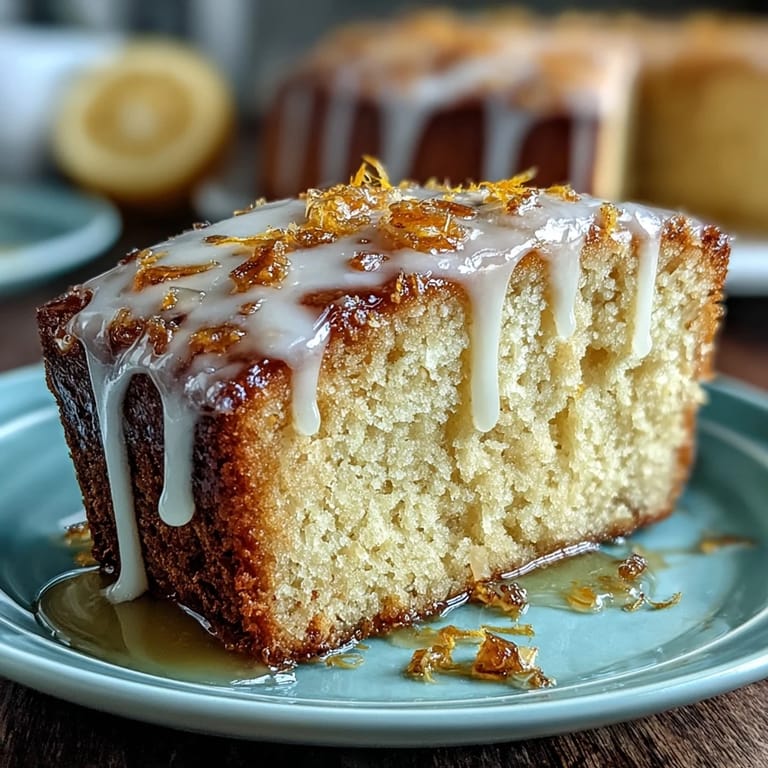
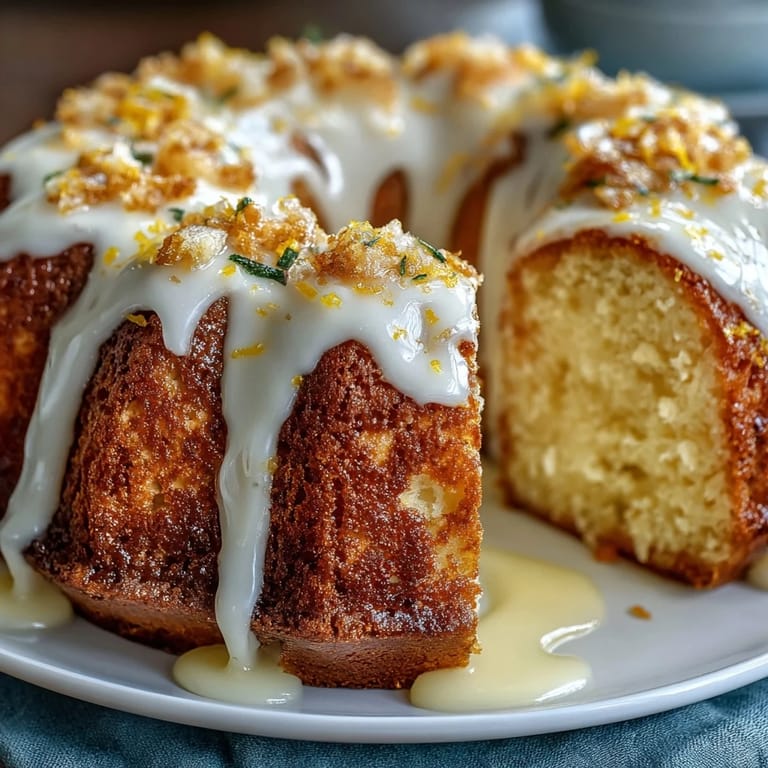
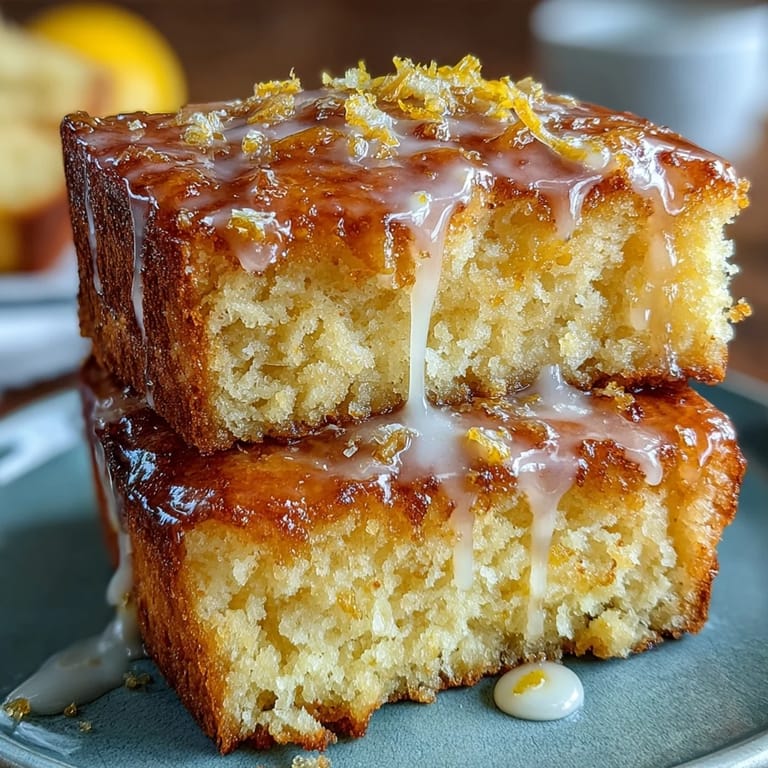
- Drizzle the glaze over the cooled cake so it cascades down the sides, then finish with a sprinkle of fresh lemon zest. Let it set for at least 30 minutes before slicing so the glaze firms up and doesn't smudge all over your plate.
 Save to Pinterest
 Last Thanksgiving, someone brought this cake to a potluck knowing nothing about it except that I'd made it—they just trusted me. Watching people reach for seconds and hearing them describe it as "the cake they'd been thinking about for weeks" afterward felt like the highest compliment any recipe could get. That's when I understood this wasn't just about technique; it was about creating a moment people wanted to revisit.
Why Limoncello Changes Everything
Limoncello isn't just about adding alcohol—it's about adding complexity. The liqueur has been steeped with lemon peel, so it brings flavor that fresh juice alone can't quite capture. I tried making this cake with just extra lemon juice once, and it tasted fine, bright even, but it lacked that mysterious depth that makes people pause mid-bite and try to figure out what you did. The spirit also keeps the cake moist longer because alcohol evaporates slower than water, which means your cake stays tender even on day three.
Texture Matters More Than You Think
The difference between a pound cake that feels dense and one that's tender comes down to technique more than ingredients. Creaming the butter and sugar properly incorporates air, which expands in the oven and creates that delicate crumb. Under-mixing the dry ingredients preserves those tiny air pockets instead of smashing them flat with gluten development. I learned this the hard way after over-enthusiastically stirring the flour in once—the cake baked up fine but had the texture of a doorstop, which taught me that sometimes less effort actually yields better results.
Storage and Serving Secrets
This cake tastes best at room temperature the day after you bake it, once the crumb has set and the flavors have melded together. Wrap it tightly in plastic wrap and it'll stay fresh for five days without drying out, which makes it perfect for baking ahead. Slice it with a serrated knife dipped in hot water and wiped clean between cuts—this prevents the crumb from tearing and keeps the glaze looking pristine.
- Serve each slice with a small dollop of whipped cream or a scoop of vanilla ice cream to echo the lemon flavor with cool creaminess.
- Fresh berries on the side add tartness that plays beautifully against the sweet glaze and tender cake.
- A cup of strong black tea or espresso is the perfect companion—the bitterness balances the citrus sweetness perfectly.
 Save to Pinterest
 This cake has become my go-to when I need something that feels special without being fussy. It's the kind of recipe that reminds you why baking matters—not because of precision or perfection, but because of how it brings people together around something bright and simple.
Recipe FAQs
- → What does Limoncello add to the cake?
Limoncello infuses a sweet, citrusy flavor with a hint of alcohol warmth, enhancing the lemon notes and moistness.
- → Can the glaze be made without Limoncello?
Yes, simply using extra lemon juice in the glaze keeps it tangy without alcohol but with slightly less complexity.
- → How do I ensure the cake is moist?
Properly creaming butter and sugar, plus incorporating milk and Limoncello, helps retain moisture throughout baking.
- → What pan works best for baking?
A 9x5-inch loaf pan or bundt pan allows even heat distribution and a tender crumb development.
- → Can I substitute cake flour for all-purpose flour?
Yes, replacing half the all-purpose flour with cake flour yields a lighter, softer texture.